The Unintended Consequences of the GUARD Act: How Age-Gating Could Cripple Everyday Online Tools
The GUARD Act, currently moving through Congress, is framed as a necessary shield to protect minors from dangerous AI companions. But a closer look at the bill's text reveals that its reach extends far beyond chatbots. If enacted, it could force age verification for nearly every online service using AI, blocking teenagers from homework help, customer service, and more. This Q&A explores the bill's broad definitions, its real-world impact, and why critics argue it prioritizes sweeping restrictions over targeted safeguards.
What Exactly Is the GUARD Act?
The GUARD Act (Generative AI and User Data Restriction Act) is a proposed federal law that would require online platforms to verify the age of every user and then block minors under 18 from accessing a wide range of AI-powered tools. While its sponsors claim it targets high-risk AI companions, the bill uses extremely broad definitions that cast a much wider net. For instance, an "AI chatbot" is defined as any system that generates responses not fully pre-written – a category that includes search engines, homework helpers, and customer service bots. The bill also bans minors from "AI companions," defined as chatbots that produce human-like responses and encourage interpersonal or emotional interaction. Critics argue that even a polite customer service bot saying "I'm sorry you're having this problem" could fall under that definition, forcing companies to either block teens or strip out useful features.
What Everyday Tools Would Be Blocked for Minors?
Under the GUARD Act, a high school student could be barred from using a homework-help tool that asks follow-up questions or offers encouragement. A teenager trying to return a faulty product could be kicked out of a standard customer-service chat because the bot responds empathetically. Even a general-purpose assistant like a voice assistant asking clarifying questions might be considered an AI companion. The bill's vague language leaves companies unsure where the line is drawn, and with steep penalties for non-compliance, the safest move is to simply block all minors from using any AI-enhanced service. This means everyday tools – from search engines with AI suggestions to email autocorrect – could become inaccessible to anyone under 18.
How Does the Bill Define 'AI Companion' and Why Does It Matter?
The bill defines an AI companion as any chatbot that produces human-like responses and is designed to encourage or facilitate interpersonal or emotional interaction. This sounds narrow, but in practice it's remarkably fuzzy. Modern chatbots are built to be conversational and helpful. A homework helper might say "Great question! Let's work through it step by step." A customer service bot might respond empathetically to a complaint. A general-purpose assistant often asks follow-up questions. All of these could be seen as encouraging interpersonal interaction. Because the law doesn't provide clear exemptions, companies face legal risk if they let teens use any chatbot that seems friendly. The result: either a total ban on minors or a watered-down tool that loses its conversational edge, harming everyone's experience.
What Are the Privacy Implications for Adults and Families?
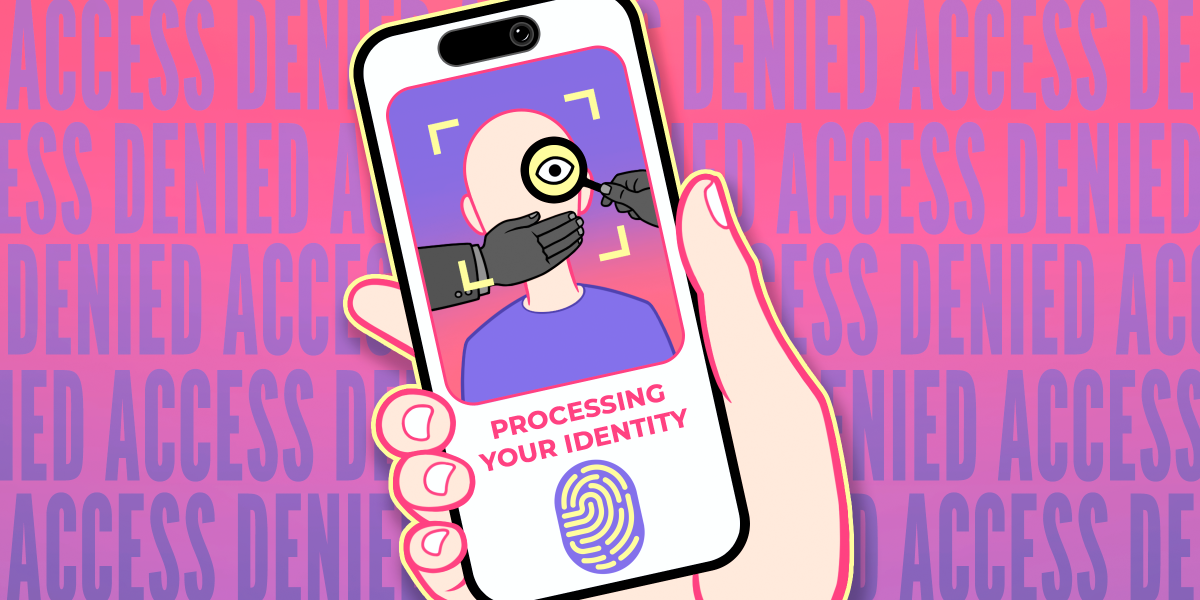
The GUARD Act doesn't just affect kids – it forces every user to undergo age verification. To comply, services would need to collect sensitive personal information like government IDs or biometric data to confirm age. This creates massive privacy risks for all users, as centralized age-verification systems become high-value targets for hackers. Moreover, the bill undermines parental guidance by replacing family decisions with a one-size-fits-all mandate. Parents who want their teen to use a legitimate educational tool would be blocked unless the service chooses a different compliance path. In effect, the act sacrifices adult privacy and parental choice to address a problem that critics say could be solved with more targeted measures – like enforcing existing rules against harmful chatbots or requiring better safety features directly.

Are There Better Approaches to Protecting Minors?
Yes. The troubling cases of AI systems engaging in harmful interactions with young users – including self-harm – demand attention, but the GUARD Act is a blunt instrument. Targeted solutions would include stronger enforcement against bad actors, requiring platforms to implement safety guardrails specifically for minors (like content filters or time limits), and empowering parents with easy-to-use control tools rather than forcing universal age verification. Other countries have adopted risk-based frameworks that apply stricter rules only to high-risk AI applications while letting low-risk tools like homework helpers operate freely. By contrast, the GUARD Act sweeps in everything, creating collateral damage to everyday internet use without necessarily making kids safer. Lawmakers should focus on the specific harms they want to prevent and craft rules that address them without overreach.
What Can Concerned Citizens Do About the GUARD Act?
If you oppose the GUARD Act, you can take action by contacting your representatives and urging them to vote against the bill. Organizations like the Electronic Frontier Foundation and the Center for Democracy & Technology provide resources for writing letters and making calls. You can also spread awareness on social media explaining the unintended consequences: that the bill would block school tools, strip privacy, and hamstring innovation. Engaging in public comment periods if available, and supporting advocacy groups that promote smarter online safety laws, are other effective steps. The key message for lawmakers is that while protecting kids is crucial, the GUARD Act's sweeping approach does more harm than good. Ask them to support targeted regulation that addresses real risks without breaking everyday internet tools for everyone.
Related Articles
- HashiCorp Vault Rolls Out Specialized AI Agent Security Controls
- Spirit Airlines Shuts Down: What Passengers Must Do Now for Refunds and Rebooking
- Helix Editor Gains Traction Among Vim Veterans: Built-In Language Server Support and Superior Search Capabilities Win Over Long-Time Users
- The Axiom of Choice: Unraveling the Controversy Behind Mathematics' Most Debated Principle
- Volcanic Forecasting Breakthrough: Scientists Race to Predict Eruptions Like Weather
- Massive Alaska Landslide Unleashed 481-Meter Tsunami, Highlighting Hidden Danger in Glacial Fjords
- The Hidden Crisis in Leadership: Ignoring Workers' Spiritual Needs Drains Passion and Performance
- 5 Transformative Ways AI Is Advancing Accessibility for People with Disabilities