The Quiet Revolution: How Japan's Motorcycle Titans Are Shifting to Electric
For years, the electric motorcycle buzz has been dominated by scrappy startups and legacy automakers' side projects. But behind the scenes—and increasingly in plain sight—Japan's legendary motorcycle manufacturers have been methodically plotting their own electric offensive. Honda, Yamaha, Kawasaki, and Suzuki may not yet have rows of flashy electric superbikes in dealer showrooms, but they are quietly assembling a powerful combination of product portfolios, production facilities, and forward-looking roadmaps. This Q&A breaks down their strategies, timelines, and what it means for riders.
Why are Japanese motorcycle giants finally embracing electrification after years of focusing on gas bikes?
Japan's Big Four—Honda, Yamaha, Kawasaki, and Suzuki—have long been synonymous with internal combustion excellence. But the shift to electric is driven by three factors: tightening global emission regulations, especially in Europe and China; the success of EV startups like Zero Motorcycles, which proved there is a market; and a strategic need to protect their home turf. Japanese makers have been investing heavily in R&D, forming cross-company alliances (e.g., Honda and Yamaha collaborating on swappable batteries), and building dedicated EV factories. They're not rushing half-baked models; they are waiting to deliver mature, reliable electric motorcycles that meet their legendary quality standards. This measured approach may seem slow, but it's aimed at making a lasting impact rather than a splashy but short-lived debut.
What concrete steps have Honda, Yamaha, Kawasaki, and Suzuki taken so far?
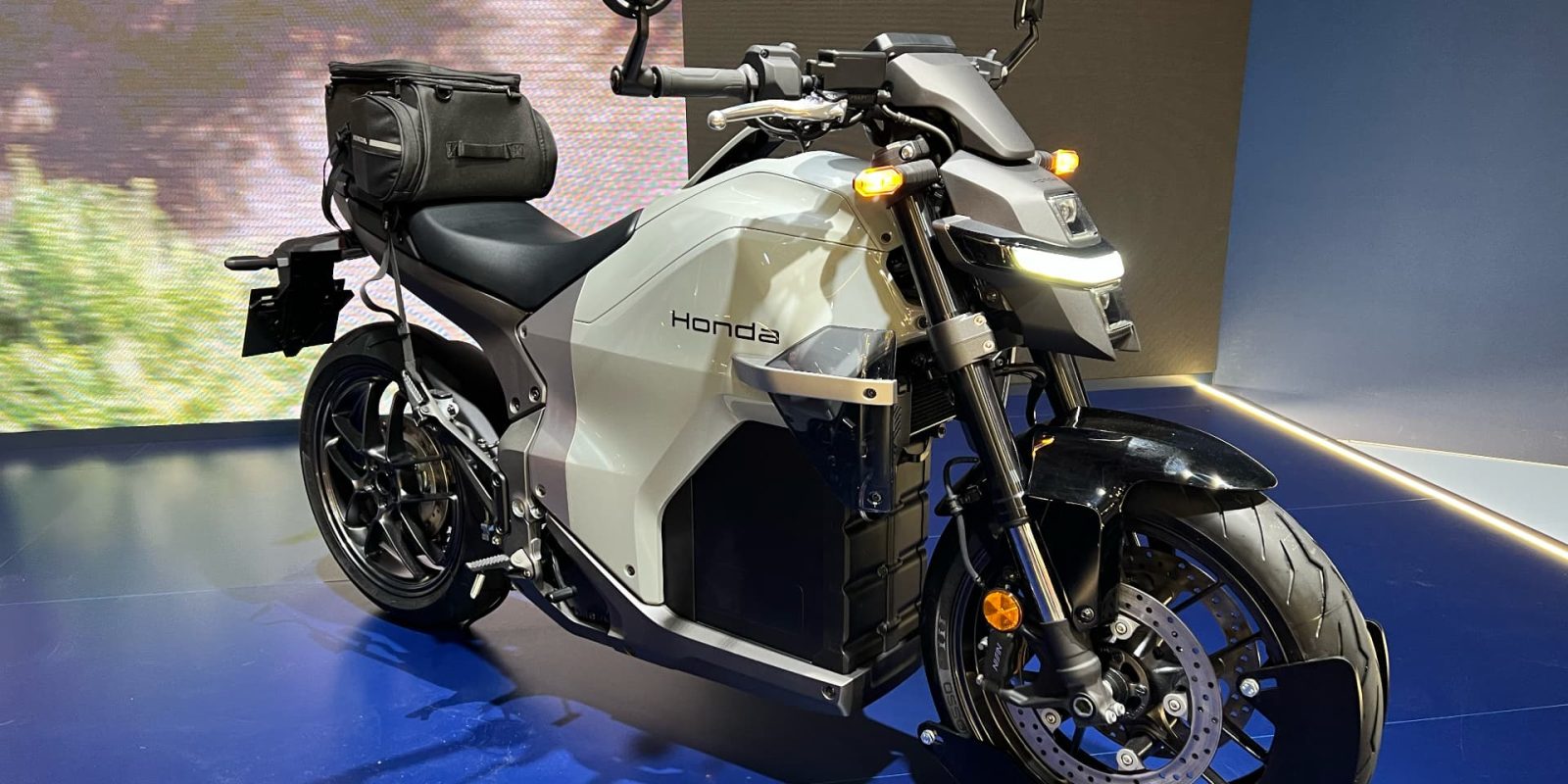
Each company has made distinct moves. Honda launched the Benly e: and Gyro e: electric scooters for business use, and plans to introduce 10 electric motorcycles globally by 2025. Yamaha teamed up with Honda and others to standardize swappable battery systems under the Gachaco consortium. Kawasaki stunned fans with the Ninja e-1 and Z e-1 prototypes, and confirmed a lineup of electric and hybrid bikes by 2025. Suzuki has shown the Burgman Street Electric scooter in India and is working on lightweight electric commuters. Crucially, all four are building new production lines—not just converting old factories—to ensure they can scale quickly when demand takes off. Their long-term strategies include not only full EVs but also hybrid models and hydrogen alternatives, showing a pragmatic, multi-pathway approach.
Are these Japanese companies collaborating or competing on electric technology?
Both. They compete fiercely on brand identity and performance, but their collaboration on essential infrastructure is a model of industry cooperation. The most visible example is the Gachaco battery-swapping standard, launched by Honda, Yamaha, KTM, and Piaggio. This common platform allows riders to swap depleted batteries for fully charged ones in seconds—a game-changer for urban commuting. Kawasaki and Suzuki have joined discussions, and while they haven't signed on yet, they are participating in broad industry talks to avoid fragmentation. At the same time, each maker is developing proprietary powertrains, electronics, and styling to differentiate their electric bikes. So expect the same friendly rivalry that exists in the gas world, but with a shared backbone of battery and charging compatibility.
When can consumers expect to see compelling electric superbikes from these brands?
True high-performance electric superbikes—machines that rival the firepower of a litre-class gas bike—are still a few years out. Kawasaki has promised a range of electric sports bikes by 2025, but initial models like the Ninja e-1 are more like 125cc-equivalent in power. Honda is targeting the recreational segment with models in the 400cc-equivalent class by 2024–2025. Yamaha similarly aims to launch multiple electric models by 2025, some of which could be middleweight sporty options. The bottleneck is not technology but cost and range. Current lithium battery packs capable of superbike performance are heavy and expensive. Japanese makers are waiting for next-generation solid-state batteries (which Honda is researching) to become viable. In the meantime, they will seed the market with commuters, scooters, and lighter bikes to build brand presence—exactly as they did with the iconic Honda Super Cub decades ago.
How does the Japanese approach differ from Western and Chinese competitors?
The Japanese philosophy is textbook kaizen—continuous, reliable improvement, not disruptive leaps. Western startups like Zero or LiveWire focus on premium, high-performance electric motorcycles from day one, targeting early adopters. Chinese firms like NIU or Yadea flood the market with affordable, lower-spec scooters. Japan's Big Four are taking a middle path: they are methodically testing electric models in business fleets (delivery, rental) to gather real-world data before mass consumer launches. They are also investing in production ecosystems—from battery cell manufacturing (Honda's joint venture with GS Yuasa) to recycling. This approach is slower but aims for long-term reliability, global service networks, and economies of scale. By entering with mature products, they hope to avoid the teething problems that have dented some startups' reputations.

Will Japanese electric motorcycles hold their resale value better than startups?
History suggests yes. Japanese motorcycles are legendary for their durability, parts availability, and strong dealer networks. These factors directly influence resale value. Startups often face challenges with long-term parts support and dealer buy-in. Japanese makers are carefully designing their electric models to have serviceable batteries and motors, and they are training their extensive dealerships to handle EV maintenance. Additionally, because Honda, Yamaha, Kawasaki, and Suzuki are building multiple models sharing components (e.g., common battery packs), the aftermarket ecosystem will be robust. Early adopters might pay a premium, but with the brand trust and proven longevity, these electric bikes are likely to hold value better than niche competitors. However, keep in mind that electric drivetrains have fewer moving parts, so maintenance costs could be lower, but battery degradation will still impact resale—a factor all manufacturers are working to minimize.
What role do government regulations play in accelerating Japan's electric motorcycle shift?
Regulation is the spark that is forcing even the most conservative manufacturers to go electric. Japan's own government plans to ban sales of new internal combustion motorcycles in the 2030s (though details are still being finalized). More pressingly, Europe's Euro 5+ and China's strict emission standards are making it increasingly expensive to sell small gas bikes—a huge market for Japanese makers. Japan's Ministry of Economy, Trade and Industry (METI) is also providing subsidies for battery swapping stations and EV development. These moves give the Big Four a clear regulatory horizon, reducing the risk of investing heavily in electric platforms. In response, they are not only developing new EVs but also planning to end R&D on new combustion engines for small-displacement bikes, freeing resources for electric powertrains. Compliance is not just about avoiding fines; it's about maintaining market access in the world's largest motorcycle regions.
Should riders who love Japanese bikes buy an electric model now or wait?
If you are a daily commuter in a city, and your round trip is under 50 miles, buying a current Japanese electric scooter or small bike (like the Honda Benly e: or Yamaha E01) makes solid sense—they are reliable, cost less to run, and qualify for green incentives. You'll also support the growth of charging infrastructure. However, if you crave thrilling performance, wait until 2025 or later. By then, Kawasaki and others will likely offer models with real sportbike acceleration, though perhaps not yet a full superbike range. Alternatively, you could buy a high-end model from a startup now, but risk limited dealer support. The Japanese advice: test ride a current electric scooter, and if it fits your needs, buy it. For big bikes, patience will pay off with a more mature ecosystem and better secondhand options. Either way, the Japanese giants are coming—and they will bring their trademark quality with them.
Related Articles
- BYD Shatters Affordability Barrier: Entry-Level Seagull EV Now Available with LiDAR at Just $13,000
- Rocsys M1: Hands-Free Robotaxi Charging Explained
- From Sea of Nodes to Turboshaft: How V8 Reengineered Its Compiler IR
- Climate News Q&A: EU Fossil-Fuel Exemptions, Renewable Savings, and Global Impacts
- Australia's Largest Solar Farm Sees Reduced Curtailment and Lower Prices as Massive Battery Begins Operations
- How to Evaluate the SECURE Data Act and Its Impact on Your Privacy
- Navigating the Flutter Material and Cupertino Code Freeze: A Comprehensive Guide
- How to Uncover Ancient Copper Smelting in a Cave: An Archaeological Field Guide