Aerobic Exercise Tops List for Knee Osteoarthritis Relief, Landmark Study Finds
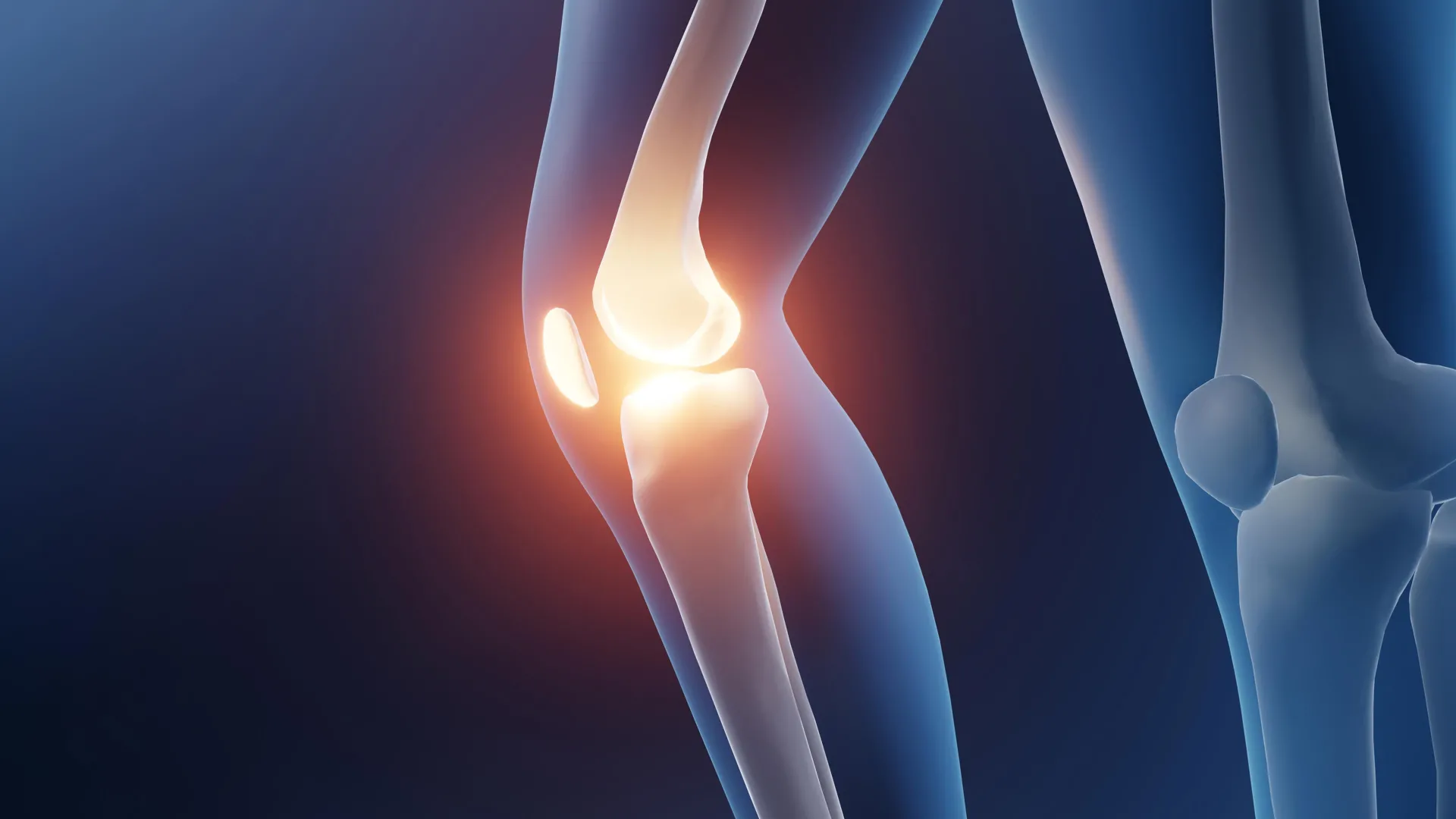
A sweeping review of 217 clinical trials has identified aerobic exercise as the most effective non-drug strategy for reducing pain and improving mobility in people with knee osteoarthritis, researchers announced today.
The analysis, which pooled data from thousands of participants, found that activities such as walking, cycling, and swimming consistently outperformed other exercise types—including strength training and mind-body practices—in easing discomfort and restoring function.
“For patients struggling with knee arthritis, the message is clear: get moving with activities that raise your heart rate,” said Dr. Elena Marchetti, lead author of the review and a rheumatologist at University College London. “Aerobic exercise isn’t just safe—it’s the single most effective exercise modality we have.”
The Evidence
Researchers compared outcomes across dozens of trial arms involving different exercise regimens. Aerobic exercise showed the greatest reduction in pain scores and the largest improvements in joint stiffness and daily function.
Strength training and mind-body exercises like tai chi and yoga also provided benefits, but they were significantly weaker when used alone. The authors note that combining these modalities with aerobic work may amplify the overall effect.
“The data confirm that exercise is not only safe but essential for managing osteoarthritis,” added Dr. Marchetti. “There’s no need to fear pain from movement—structured aerobic programs actually reduce it over time.”
Background
Knee osteoarthritis affects more than 650 million people worldwide, making it one of the leading causes of chronic pain and disability. Current guidelines recommend exercise as a first-line treatment, but patients and clinicians have long debated which type works best.
The new review resolves that uncertainty by synthesizing evidence from 217 randomized controlled trials—the largest meta-analysis of its kind on this topic. It was published today in the journal Annals of Internal Medicine.
Previous studies had hinted at aerobic exercise’s advantage, but none had amassed this volume of trial data. The findings are expected to influence clinical practice guidelines globally.
What This Means
For the estimated one in four adults who will develop knee osteoarthritis in their lifetime, this study offers a clear prescription. Low-impact aerobic activities—such as swimming, cycling, or brisk walking—should form the cornerstone of any arthritis management plan.
Patients currently relying solely on strength training or passive therapies may benefit from adding aerobic exercise to their routine. The review underscores that consistency matters more than intensity; even 20–30 minutes of moderate aerobic activity five days a week can yield meaningful relief.
Importantly, the research finds no evidence that exercise accelerates joint damage. Instead, it helps maintain cartilage health and strengthens the muscles that support the knee.
Key recommendations from the study:
- Start with walking – it’s accessible, free, and proven to reduce pain.
- Mix in cycling or swimming – these non-weight-bearing options are gentle on joints.
- Consider combining aerobic work with strength training – for added benefit, but don’t replace aerobics as the primary mode.
- Gradually increase duration – begin with 10–15 minutes and build up over weeks.
“This is a game-changer for primary care doctors who often struggle to give specific exercise advice,” said Dr. James O’Reilly, an orthopedic surgeon not involved in the study. “Now they can confidently say: ‘Aerobic exercise first, everything else second.’”
The review also highlights a gap: few trials have tested exercise in severe osteoarthritis or after joint replacement. Future research should focus on these populations, the authors note.
For immediate relief, experts suggest patients consult a physical therapist to design an aerobic program tailored to their fitness level and joint condition.
Related Articles
- Apple's Week in Review: Chip Triumphs, Orange Trademark Tussles, and Tony Nominations
- HCP Terraform Powered by Infragraph: Answers to Your Top Questions on the Public Preview
- 10 Key Updates About Android Auto's Music App Revolution
- Why Your Fire TV Stick Keeps Buffering (And the Simple Fix You're Missing)
- Celtic vs Hearts: Your Complete Guide to Watching the Scottish Premiership Title Decider Live
- Exploring an Ambient Developer Daemon with Nous Hermes: A Q&A
- Top Weekly Netflix Picks: May 18–24
- Hidden Cost of BIOS Tuning: Performance Gains May Be Ruining Your PC Experience