8 Key Milestones in Janet Petro's NASA Journey as She Heads for Retirement
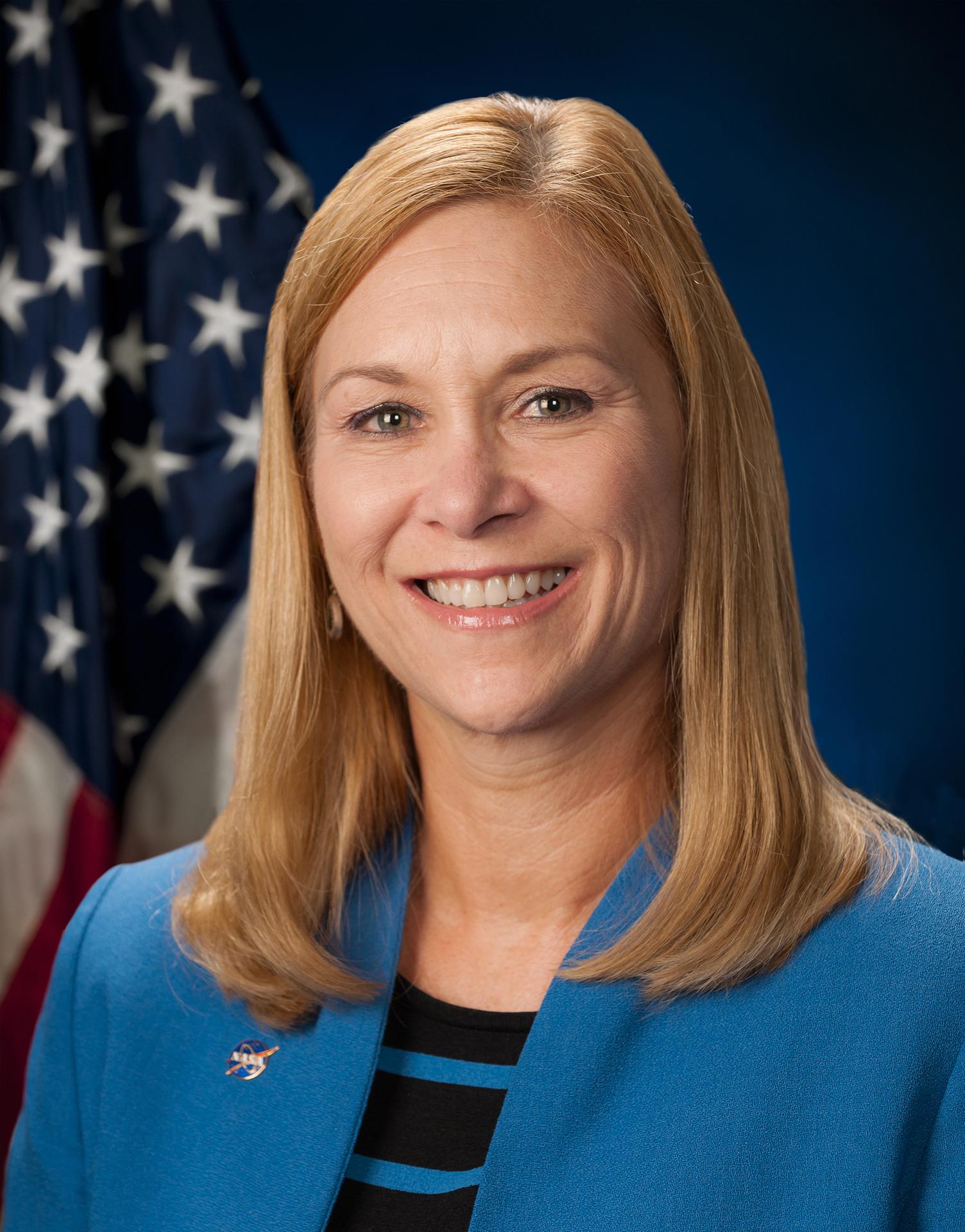
After more than 17 years of dedicated service, Janet Petro—the visionary leader at the helm of NASA’s Kennedy Space Center—has announced her retirement. Her departure marks the end of an era defined by bold transitions, groundbreaking partnerships, and a steadfast commitment to making Kennedy the world’s premier multiuser spaceport. From her early days as a military officer to her time as NASA’s acting administrator, Petro’s career is a testament to resilience and innovation. This list explores eight defining moments that shaped her journey and legacy.
1. From West Point to the Army: Laying the Foundation
Janet Petro’s career in service began in 1981 when she graduated from the U.S. Military Academy at West Point with a bachelor’s degree in engineering. She was part of the second class to include women—a bold step that foreshadowed her trailblazing path. As a commissioned officer in the U.S. Army, Petro gained leadership skills and a deep appreciation for discipline and teamwork. This military background later proved invaluable when she navigated complex government and commercial partnerships at NASA. After active duty, she earned an MBA from Boston University, blending technical expertise with strategic management insight—a combination that would define her future roles.
2. Industry Experience: SAIC and McDonnell Douglas
Before joining NASA, Petro honed her skills in the private sector. She held management positions at Science Applications International Corporation (SAIC) and McDonnell Douglas Aerospace Corporation. In these roles, she interfaced directly with NASA, the U.S. military, and commercial entities on numerous aerospace and military programs. This experience gave her a unique perspective on efficiency, innovation, and the importance of cross-sector collaboration. It also prepared her to later streamline government processes and champion commercial space initiatives as a NASA leader.
3. Joining NASA in 2007: The Beginning of a Transformative Career
Petro’s NASA journey officially began in 2007 when she joined the agency. Over the years, she steadily climbed the ranks, taking on roles that leveraged her operational expertise and leadership. Early on, she served as a program executive on an agencywide initiative to restructure mission support functions, helping NASA become more efficient and effective. This work laid the groundwork for larger responsibilities, including her eventual role as Kennedy’s deputy director and later center director. Her ability to navigate organizational change earned her respect across the agency.
4. Shaping the Multiuser Spaceport Vision
As Kennedy’s deputy director, Petro played a central role in transforming the historic launch site into a bustling multiuser spaceport. She led cross-agency initiatives with the Federal Aviation Administration (FAA) and the U.S. Air Force to streamline government processes and support commercial space operations. The goal was to increase government efficiency and limit redundancy—a vision that opened the door for SpaceX, Boeing, and other private partners. Petro’s efforts helped Kennedy evolve from a primarily government-operated facility into a dynamic hub for both public and private missions.
5. Becoming the 11th Director of NASA Kennedy Space Center
After serving as acting director, Petro was officially named the 11th center director of NASA’s Kennedy Space Center. In this role, she managed a team of civil service and contractor employees, determining and implementing center policy, and overseeing the execution of the spaceport’s missions and agency program responsibilities. Her leadership during a period of rapid change—including the shift from the Space Shuttle era to commercial crew and Artemis—cemented her reputation as a steady hand guiding NASA through near-impossible challenges.
6. Serving as Acting NASA Administrator (January–July 2025)
In an unprecedented move, Petro stepped in as acting administrator of NASA from January to July 2025. This interim role placed her at the forefront of the agency’s most critical decisions during a time of transition. NASA Administrator Jared Isaacman praised her as a “profoundly influential leader” who embraced the challenge of discovering what could be. Her tenure as acting head further demonstrated her versatility and deep understanding of NASA’s mission, from deep-space exploration to Earth science.
7. Earning the Silver Snoopy and President’s Distinguished Executive Award
Petro’s exceptional performance has been recognized with some of NASA’s highest honors. She received the astronaut-selected Silver Snoopy award for outstanding contributions to flight safety—a tribute to her dedication to mission success. She also earned a President’s Distinguished Executive Award, one of the most prestigious accolades for federal senior executives. These awards reflect her unwavering commitment to excellence and the trust she earned from both astronauts and agency leadership.
8. A Legacy of Breaking Barriers and Building Bridges
Janet Petro leaves behind a legacy that goes beyond bricks and launch pads. As a pioneer—one of the first women to graduate from West Point’s second coeducational class—she broke barriers and inspired a new generation of engineers and leaders. At Kennedy, she built bridges between government, military, and commercial entities, creating a model for the future of space exploration. Her retirement marks the end of a chapter, but the multiuser spaceport she helped shape will continue to launch humanity’s boldest dreams.
Janet Petro’s retirement is a milestone for NASA, but her contributions will resonate for decades. From the launch pads of Florida to the halls of Washington, D.C., she leaves an indelible mark on the agency and the nation’s space program. As Kennedy Space Center prepares for the next chapter, Petro’s vision of collaboration, efficiency, and innovation will remain its guiding star.
Related Articles
- Breaking the Memory Barrier: New State-Space Model Revolutionizes Long-Term Video AI
- Inside Zachtronics' Unmade Star Trek Sim: An Interview Revisited Through U.V.S. Nirmana
- The Science Behind Ghostly Encounters: How Infrasound Shapes Perceptions of Hauntings
- Microsoft Unleashes Agentic AI Platform for R&D, Claims Breakthrough in Scientific Discovery
- Uranus and Neptune Revealed: Rocky Worlds Once Called 'Ice Giants'
- Decoding the Learning Dynamics of Word2vec: A Mathematical Perspective
- Keto for Mental Health: Could a High-Fat Diet Revolutionize Psychiatric Treatment?
- Are Humanoid Robots on the Verge of Breaking Olympic Sprint Records?