10 Key Facts About XREAL's Project Aura Android XR Glasses Launching in 2026
At Google I/O 2026, XREAL made a splash by confirming that its long-anticipated Project Aura glasses will hit the market before the end of the year. Alongside a wave of Android XR announcements, the company also unveiled an exclusive early access program for developers. Whether you’re a tech enthusiast or a developer looking to shape the future of augmented reality, here are ten essential things you need to know about this upcoming wearable.
1. Project Aura Is a Consumer-Focused XR Headset
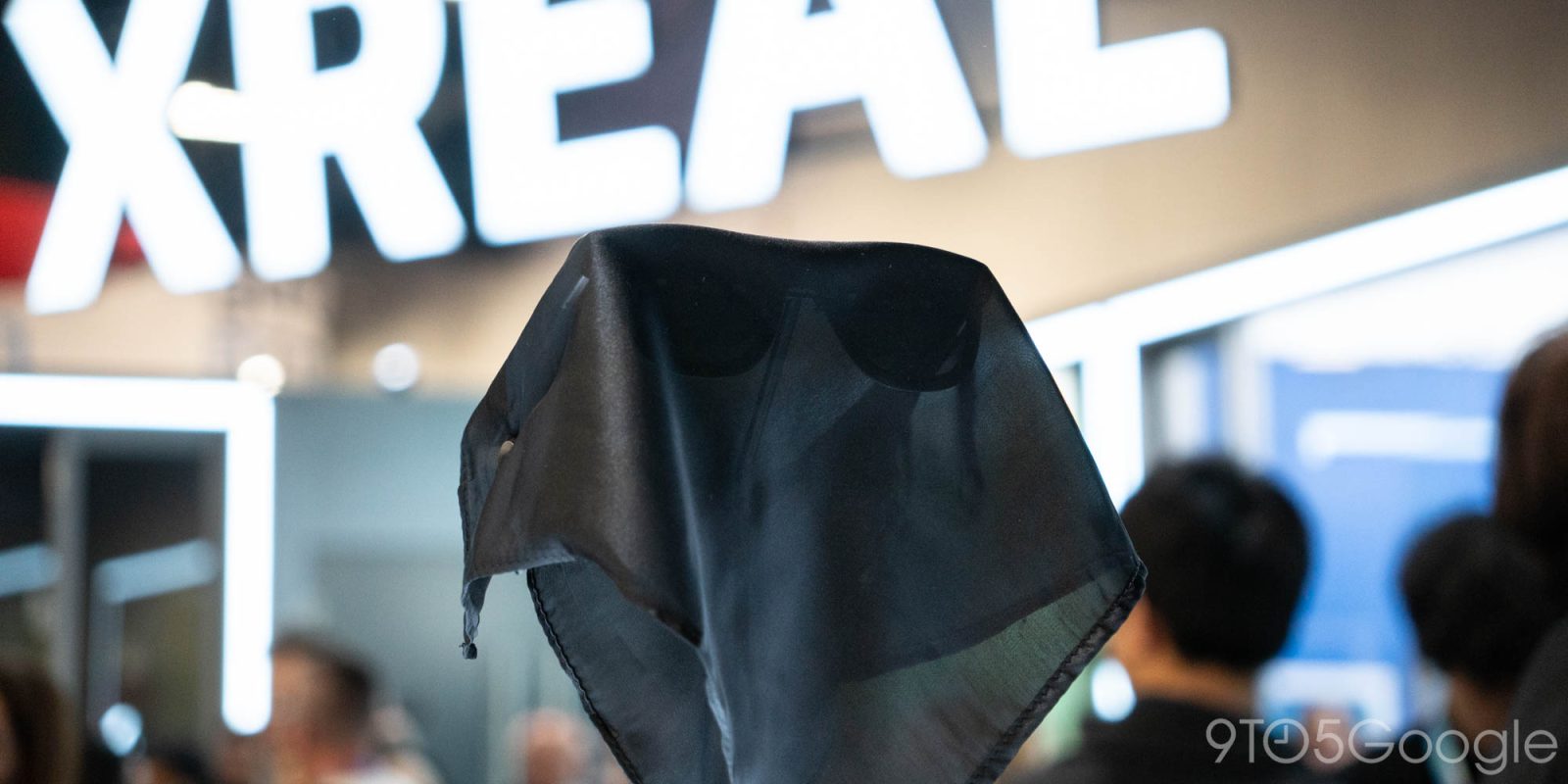
Project Aura marks XREAL’s next leap into augmented reality. Unlike earlier models that targeted niche enterprise use, these glasses are designed for everyday consumers. They will run on Android XR, Google’s dedicated operating system for spatial computing, enabling seamless integration with apps and services. The lightweight form factor and all-day comfort are key selling points, making them suitable for both work and entertainment.
2. Launch Window Set for Late 2026
XREAL has officially committed to a launch before the end of 2026. This timeline aligns with the broader Android XR ecosystem rollout, giving developers and consumers a clear target. The company’s president stated that the glasses will ship by Q4 2026, with pre-orders likely opening a few months earlier. This puts pressure on competitors like Meta and Apple to accelerate their own AR roadmaps.
3. Early Access Program for Developers Begins Now
To refine the user experience and build a robust app library, XREAL has launched an early access program. Developers can apply to receive a prototype unit and SDK before the public launch. This initiative mirrors successful strategies used by other tech giants—giving creators a head start ensures a richer ecosystem at release. The application process is open through XREAL’s developer portal.
4. Built on Android XR – Google’s New AR Platform
Android XR is Google’s answer to spatial computing, offering native support for hand tracking, voice commands, and 3D rendering. By adopting this platform, XREAL gains access to Google’s vast app store and machine learning services. Developers can use familiar tools like Android Studio and ARCore to create experiences, lowering the barrier to entry compared to proprietary systems.
5. XREAL’s Evolution from Nreal to Industry Leader
Formerly known as Nreal, XREAL has already shipped over 200,000 AR glasses worldwide. The company rebranded in 2023 to signal a broader vision. Project Aura represents the culmination of years of hardware refinement, from the original Nreal Light to the XREAL Air series. This pedigree suggests a polished product that builds on proven optical and display technologies.
6. Competition Heats Up in the AR Space
Project Aura enters a market dominated by Apple’s Vision Pro and Meta’s Quest series, but with a key difference: price. While Apple’s headset costs thousands, XREAL aims for a sub-$1000 price point. The use of Android XR also differentiates it from closed ecosystems, potentially offering more flexibility for developers. This could make it the most accessible high-end AR device by 2026.

7. Key Features: Lightweight Design and All-Day Battery
Early leaks point to a sub-80 gram frame with a wireless companion puck for processing. The glasses are expected to feature 40-degree field of view, micro-OLED displays, and integrated speakers. Battery life targets 8 hours of mixed use, thanks to energy-efficient chips. These specs aim to solve the comfort and endurance issues plaguing current VR/AR headsets.
8. Developer Incentives Include Funding and Support
Beyond hardware access, XREAL offers grants and technical support to selected developers. The program includes co-marketing opportunities and direct collaboration with XREAL’s engineering team. This approach mirrors Google’s early ARCore initiatives and is designed to fast-track killer apps for spatial computing, especially in gaming, productivity, and social interaction.
9. Integration with Google Services Out of the Box
Because Project Aura runs Android XR, it will come preloaded with Google Maps, YouTube, and Google Photos in spatial mode. Users can pin floating windows around their environment, navigate with turn-by-turn AR directions, and share content seamlessly. Deep integration with Google Assistant allows hands-free control, further differentiating it from competitors.
10. What This Means for the Future of AR
XREAL’s timely launch could be a watershed moment for consumer AR. By combining an open platform, aggressive pricing, and developer incentives, the company is positioned to capture early adopters. If Project Aura delivers on its promises, it will accelerate mainstream acceptance of augmented reality and set a new standard for what wearables can achieve.
In summary, XREAL’s Project Aura represents a bold step toward making Android XR glasses a household item. With a clear launch date, a generous developer program, and deep Google integration, the next chapter of spatial computing is already being written. Keep an eye on these glasses—they could redefine how we interact with the digital world.
Related Articles
- 7 Reasons Why the Motorola Razr Fold Redefines the Foldable Phone Experience
- Biwin M350 2TB SSD Q&A: Is It the Best Budget PCIe 4.0 Drive?
- How to Handle the Removal of Newtonsoft.Json from VSTest in .NET 11 and Visual Studio 18.8
- 5 Ways AI Acts as Your Thinking Partner for Large-Scale Engineering Systems
- SUSE: Unifying AI, Containers, and VMs on an Open Infrastructure Platform
- The AI Takeover: How Chinese Short Dramas Are Mass-Produced at Unprecedented Speed
- Decoding JetStream 3: A Step-by-Step Guide to Modern Browser Benchmarking
- Understanding Extrinsic Hallucinations in Large Language Models: Causes, Challenges, and Mitigation