Citizen Scientist Snaps Photo That Uncovers 'Extinct' Plant in Australian Outback
Plant Believed Lost for 60 Years Rediscovered Through Smartphone Photo
An amateur naturalist’s casual snapshot has led to the dramatic rediscovery of a plant species thought extinct for nearly six decades. The finding highlights how ordinary people using smartphones are revolutionizing field biology.
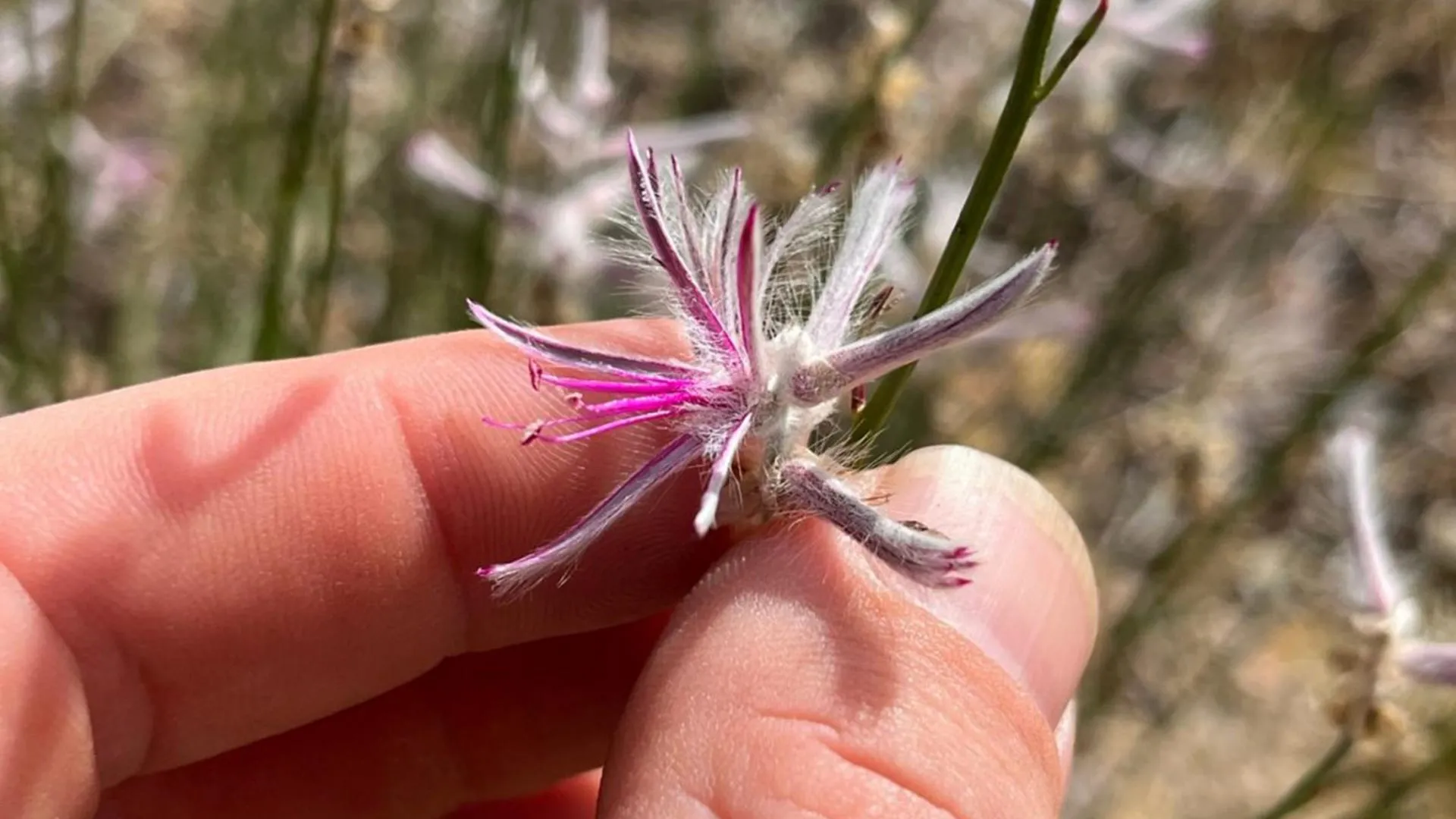
Bird bander Aaron Bean uploaded images of an unfamiliar shrub to the iNaturalist app while working in the Australian outback. Within hours, botanist Anthony Bean identified it as Ptilotus senarius, a plant last recorded in 1967.
Expert Quotes
“I had no idea it was anything special until I posted it,” Aaron Bean said. “It was just another shrub in the middle of nowhere.”
Anthony Bean added, “When I saw the image, I immediately recognized it as Ptilotus senarius. We had written it off as extinct. This is a huge moment for conservation.”
Background
Ptilotus senarius is a flowering shrub endemic to remote regions of Western Australia. It was declared likely extinct after decades of failed searches and habitat degradation from grazing and fire.
The species belongs to the genus Ptilotus, known for its woolly flower spikes. Its sudden reappearance underscores how little we still know about Australia’s biodiversity.
What This Means
The rediscovery proves that digital platforms like iNaturalist can turn millions of citizens into frontline data collectors. Scientists say such tools are accelerating the rate of re‑findings for rare species.
“This is a textbook example of how a single photo from a non‑expert can rewrite the conservation status of a species,” said Dr. Emily Harris, a biodiversity researcher at the University of Queensland. “It gives hope for other ‘missing’ plants and animals.”
The plant’s habitat will now be surveyed to determine the size of the surviving population. Conservationists plan to protect the area from further disturbance.
Implications for Citizen Science
The iNaturalist platform, launched in 2008, now hosts over 100 million observations worldwide. Each image carries metadata that allows scientists to verify location and timing.
“We train algorithms to flag candidate rediscoveries, but the human eye is still irreplaceable,” said Dr. Harris. “Aaron’s photo was a needle in a haystack.”
Experts urge the public to keep documenting nature. “Every snap you take could be the one that brings a lost species back to science,” Aaron Bean said.
Related Articles
- Massive Cambrian Fossil Discovery Reshapes Understanding of Early Animal Evolution
- How to Forge a Post-Fossil Fuel Future: A Step-by-Step Guide Based on the Colombia Summit
- James Marsden to Lead New Apple TV+ Action Thriller Series from 'Iron Man' Writers
- How to Halt Tropical Deforestation: A Practical Guide Based on Recent Global Trends
- Blue Origin's MK1 Lunar Lander Completes Critical Vacuum Chamber Tests for Artemis Missions
- Tesla's $573 Million Windfall: How SpaceX and xAI Are Fueling the EV Giant's AI Ambitions
- Newly Uncovered Fast16 Malware: A Pre-Stuxnet US Cyber Sabotage Tool Targeting Iran
- Unmasking Participation Bias in Wildlife Citizen Science: A Q&A Deep Dive