Trump Suggests Taiwan Arms Deal Is a Bargaining Tool Amid Xi Jinping's Warnings of Potential Conflict
Introduction: A Tense Exchange on Taiwan
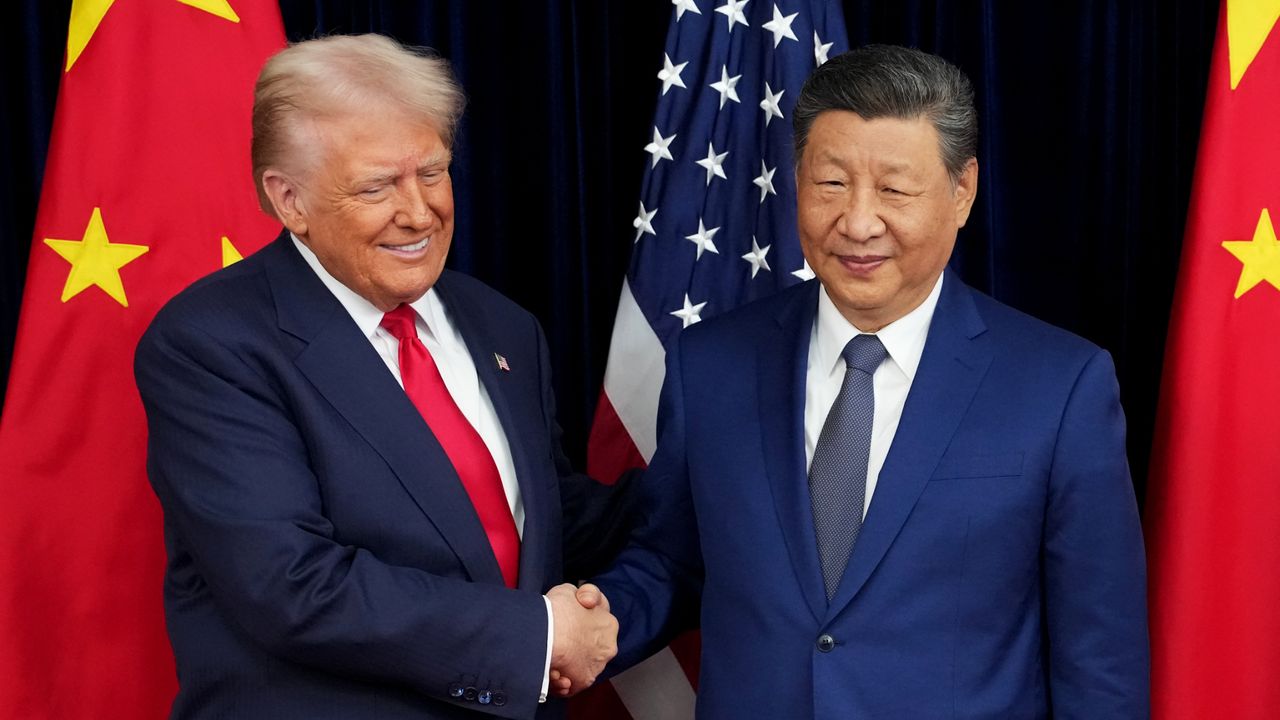
During a recent summit with Chinese President Xi Jinping, former U.S. President Donald Trump made headlines by characterizing a proposed $14 billion arms sale to Taiwan as a 'negotiating chip' in broader discussions with China. This statement came in response to Xi's earlier remarks that the Taiwan issue could lead to 'clashes and even conflicts.' Trump advised Taipei to exercise caution, stating that 'Taiwan would be very smart to cool it a little bit.' The exchange underscores the delicate balance of power and diplomacy in the Taiwan Strait.
Trump's Perspective: Arms as Leverage
A 'Negotiating Chip' with China
Trump's characterization of the arms deal as a 'negotiating chip' reflects a transactional approach to foreign policy. In his view, the sale of advanced military equipment to Taiwan—a self-governing island that China claims as part of its territory—serves as a tool to extract concessions from Beijing. By linking the deal to other issues, such as trade imbalances or North Korean tensions, Trump aimed to create leverage in negotiations. This strategy is consistent with his broader 'America First' agenda, where international agreements are often framed in terms of direct benefits to U.S. interests.
Advising Taiwan to 'Cool It'
Trump's recommendation that Taiwan should 'cool it a little bit' signals a desire to de-escalate rhetoric from Taipei. He implied that aggressive posturing by Taiwan could provoke a stronger response from China, potentially undermining the bargaining position of the United States. This stance drew mixed reactions: some analysts saw it as pragmatic, while others criticized it as a sign of unreliability toward a key democratic ally.
Xi Jinping's Warning: Risk of Conflict
'Clashes and Even Conflicts'
Chinese President Xi Jinping has repeatedly emphasized that the Taiwan issue is central to China's core interests. During the summit, he warned that failure to manage the situation could lead to 'clashes and even conflicts.' This language echoes Beijing's longstanding position that it reserves the right to use force if Taiwan moves toward formal independence. Xi's remarks were intended to convey the seriousness with which China views any deviation from the 'One China' principle.
The Red Line of Sovereignty
For China, Taiwan is not a separate entity but a renegade province awaiting reunification. The arms deal, in Beijing's eyes, represents a violation of its sovereignty and a threat to national unity. Xi's warning served as a reminder that any miscalculation could trigger a military confrontation—a scenario that neither side wants but that both prepare for.
Implications for U.S.-China-Taiwan Relations
Strategic Ambiguity Under Strain
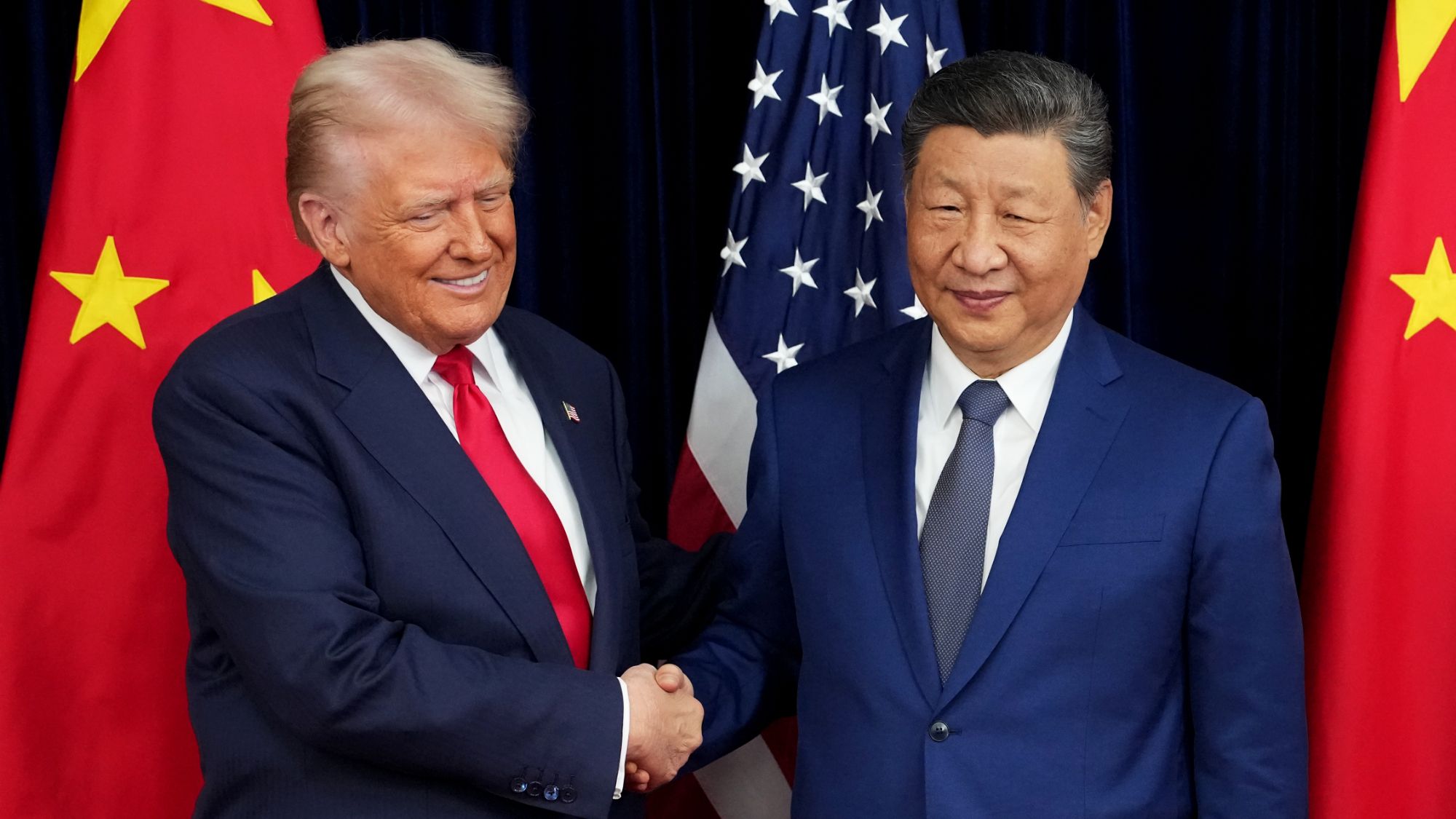
The Trump-Xi exchange highlights the challenges of maintaining 'strategic ambiguity'—the deliberate policy of keeping Taiwan's defense status unclear to deter aggression while avoiding a clear commitment to defend the island. Trump's 'negotiating chip' frame suggests a shift toward more explicit transactional dealings, which could embolden China to test U.S. resolve or push Taiwan toward greater uncertainty.
Regional Stability and Economic Ties
Beyond military posturing, the arms deal and subsequent rhetoric affect economic and diplomatic relations across the Asia-Pacific. Both the United States and China have deep economic ties with Taiwan, and any escalation could disrupt supply chains, particularly in semiconductors and technology. The summit's outcome reminded observers that the Taiwan issue remains a flashpoint with global repercussions.
Analysis: The Art of the Deal Meets Hard Power
Trump's approach mirrors his business background: treat every interaction as a negotiation, identify each party's leverage points, and seek maximum short-term gain. However, applying this to Taiwan risks undermining long-term stability. Xi's response, meanwhile, underscores China's unwillingness to treat its core sovereignty as a bargaining chip. The resulting tension leaves Taiwan in a precarious position, balancing between U.S. support and Chinese pressure.
Conclusion: A Dangerous Game of Poker
The Trump-Xi summit on the Taiwan arms deal reveals a high-stakes diplomatic poker game. While Trump sees the $14 billion package as a lever to extract concessions, Xi sees it as a violation of fundamental principles. The advice to Taiwan to 'cool it' reflects a desire to avoid direct confrontation, but the underlying dynamics remain volatile. As both nations continue to jockey for influence, the international community watches closely, aware that a miscalculation could lead to the very 'clashes and conflicts' Xi warned about. For now, the deal remains a symbolic and strategic tool, but its ultimate impact will depend on the willingness of all parties to prioritize dialogue over brinkmanship.
Related Articles
- Swift Breaks IDE Barriers: Official Extension Now Available on Open VSX Registry
- TikTok’s Recommendation Algorithm: A Republican Lean in the 2024 Election
- 10 Essential Insights into the Microsoft Agent Framework for .NET Developers
- The Axiom That Split Mathematics: Q&A on Foundations and Controversy
- Crafting Custom Cellular Compartments: A Guide to RNA Droplet Organelles
- Unlocking a Universal Block Ecosystem: The Block Protocol Explained
- AI Browser Extensions Found Stealing User Data – Experts Warn of Widespread Threat
- Revised GUARD Act Still Raises Serious Privacy and Free Speech Concerns