7 Reasons This Electric School Bus Driver Will Never Go Back to Diesel
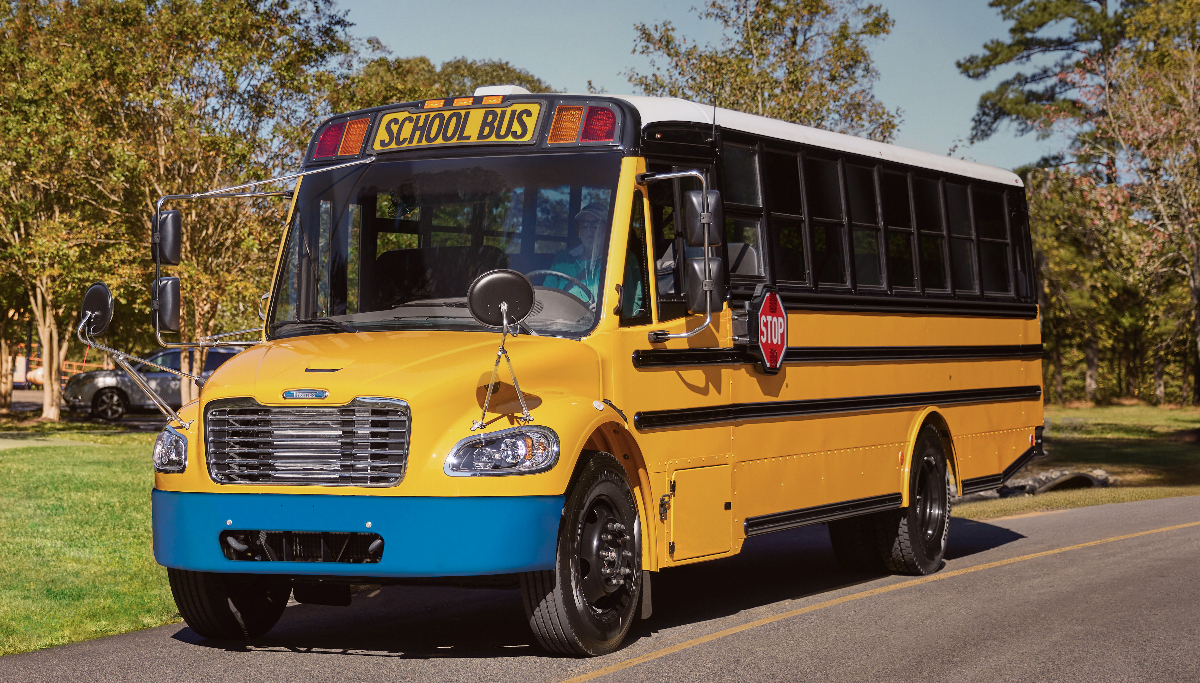
Sometimes numbers and statistics fail to capture the real impact of a change. That's why personal stories matter. Meet John, a school bus driver who made the switch to an electric bus and now says he'll never return to diesel. His firsthand experience reveals surprising benefits that go beyond environmental gains. Below are seven compelling reasons drawn from his daily routine that show why electric school buses are more than just a trend—they're a transformation.
1. The Quiet Ride Transforms the Driving Experience
John recalls his first day behind the wheel of the electric bus. “I started the engine and heard… nothing. It was eerie at first, but after an hour I realized how much I’d been dreading the constant roar of diesel.” The near-silent cabin reduces driver fatigue significantly. Without engine noise, John can hear students more clearly and focus better on the road. He also notices less vibration through the steering wheel, making long routes far more comfortable. “After six hours of driving diesel, I’d feel exhausted. Now I finish my route with energy to spare.” This quiet operation isn't just a luxury—it improves alertness and safety. For a driver whose job depends on concentration, the difference is life-changing.
2. Zero Tailpipe Emissions Mean Cleaner Air for Kids
Diesel exhaust is a known health hazard, especially for children with developing lungs. John’s electric bus produces no tailpipe emissions, so students waiting at the bus stop breathe clean air instead of fumes. “We used to idle for twenty minutes in the morning. Now I just turn the key and go—no black smoke, no smell.” Local parents have thanked him for the improvement. One mother said her asthmatic son no longer coughs on the way to school. While anecdotal, John sees this as a win for public health. The shift to electric eliminates diesel particulate matter from school zones, creating a safer environment for everyone. And because the bus is quiet, neighborhoods appreciate earlier pickups without the early-morning racket.
3. Dramatically Lower Fuel Costs Save Taxpayer Money
Fuel is the biggest variable cost for school districts. John’s electric bus costs roughly $0.15 per mile to charge, compared to $0.85 per mile for diesel. That’s a savings of nearly $0.70 per mile. Over the course of a year, that adds up to thousands of dollars per bus. John’s district has already calculated a 70% reduction in fuel expenses. “We used to budget for $8,000 per bus annually for diesel. Now it’s under $2,000,” he says. This money can be redirected to teacher salaries, classroom supplies, or infrastructure improvements. Even with higher upfront costs, the long-term savings are undeniable. John often reminds fellow drivers that every mile they drive in an electric bus saves the community money that can be spent on students.
4. Less Maintenance Means More Time on the Road
Diesel engines require frequent oil changes, filter replacements, and exhaust system repairs. John’s electric bus has a fraction of the moving parts. No oil, no transmission, no starter motor. “We’ve driven 30,000 miles without a single unscheduled repair,” he says. The biggest maintenance item is tire rotation. John’s district has reduced maintenance staff overtime by 40% since introducing electric buses. Regenerative braking also extends brake life—many electric buses go 100,000 miles between brake pad replacements. With fewer breakdowns, buses stay in service longer, which means fewer route cancellations. For John, this reliability is a huge stress reliever. “I never worry about the bus starting on a cold morning. It just works.”
5. Instant Torque Makes Hills and Stops Easier
Electric motors deliver full torque from zero RPM. That means John’s bus accelerates smoothly up steep hills without the gear-shifting strain of a diesel. “On the old bus, you’d hear the engine groan on a grade. Now I just press the pedal and it glides,” he explains. Coming to a stop, regenerative braking recharges the battery while slowing the bus. This makes stop-and-go routes—typical for school buses—more efficient. John also finds the bus easier to control in snow and ice because the low center of gravity (battery packs under the floor) improves traction. Handling is more predictable, which increases safety. “I feel like I’m driving a modern vehicle, not a relic from the 90s,” he jokes.
6. Overcoming Range Anxiety with Real-World Confidence
One common fear about electric buses is running out of charge mid-route. John’s bus has a range of 160 miles on a full charge, while his longest daily route is 90 miles. He charges overnight and always returns with at least 40% battery remaining. “The first week I was paranoid. I kept checking the gauge,” he admits. “But after a month I realized it’s not an issue.” The district installed fast chargers so buses can top up during lunch if needed, but John rarely uses them. Maintenance simplicity and predictable daily mileage mean that range anxiety fades quickly. In fact, he now appreciates not having to visit a diesel station every other day. “I save 15 minutes a day not fueling up. That’s an hour a week back in my life.”
7. The Bigger Picture: Inspiring Change Beyond One Bus
John’s personal commitment has sparked a ripple effect. Other drivers in the district have requested electric routes. The school board is considering converting the entire fleet over the next five years. “When I tell other drivers how much easier it is, they want to try it,” John says. Parents have started a petition for more electric buses. Even the local newspaper featured his story. For John, driving electric is about more than comfort or cost—it’s about modeling sustainability for the next generation. “Kids ask me why the bus is so quiet. I tell them it’s because we’re taking care of their future.” That sense of purpose makes every mile worthwhile.
John’s experience shows that the shift to electric school buses is not just an environmental policy—it’s a practical upgrade that improves driver well-being, saves money, and protects children’s health. While data and studies are important, sometimes a personal story is the most powerful argument of all. As electric infrastructure expands, more drivers like John will prove that once you go electric, there’s no going back.
Related Articles
- May 2026 Desktop Wallpapers: A Fresh Perspective for Your Screen
- React Native 0.85: 10 Key Updates You Can't Miss
- Streamlining Dataset Migrations with Background Coding Agents at Spotify
- Winnipeg Multi-Family Properties Get 250 New EV Charging Stations
- 8 Game-Changing Insights into the Liquid Battery That Bottles Sunlight
- CIDER Development: Strategic Depth Through Navigation and Audio
- Understanding WebAssembly's New Speculative Optimizations: Deopts and Inlining in V8
- 5 Key Insights on Lexus’s Upcoming Three-Row Electric SUV