Starship V3 Prepares for Inaugural Flight with Unprecedented In-Space Self-Inspection
Introduction
SpaceX is set to revolutionize orbital operations once again. The company's latest iteration of its massive Starship vehicle—dubbed Starship V3—is scheduled for its maiden voyage next week. This flight, designated as Flight 12, will introduce a capability never before attempted on any Starship mission: an in-space self-inspection. The maneuver will allow the spacecraft to examine its own exterior components while in orbit, marking a major step toward autonomous maintenance and long-duration space travel.
What Is Starship V3?
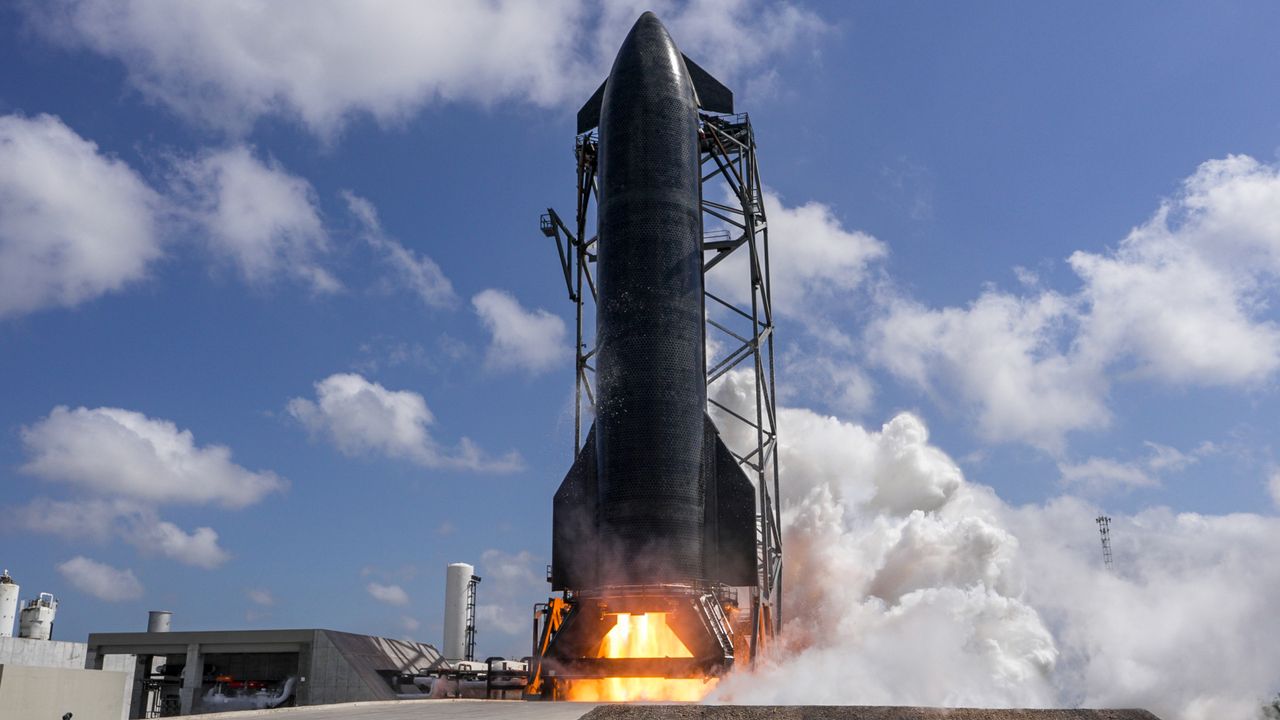
Starship V3 represents the third major upgrade to SpaceX's fully reusable super-heavy launch system. Building on lessons from earlier prototypes, V3 incorporates enhancements to the Raptor engine design, heat shield tiles, and structural integrity. The vehicle stands approximately 120 meters tall when stacked atop its Super Heavy booster, making it the largest rocket ever constructed. The V3 variant focuses on improving payload capacity and reliability for deep-space missions, with particular attention to in-orbit refueling and self-diagnosis capabilities.
Key Improvements Over Previous Versions
- Raptor 3 engines: Higher thrust and improved efficiency, reducing the number of engines needed while increasing performance.
- Advanced thermal protection: New tile materials and application techniques to withstand reentry temperatures more effectively.
- Reinforced structures: Lightweight alloys and composite materials to handle greater stress during ascent and landing.
- Upgraded avionics: Enhanced sensors and cameras to support autonomous inspections and navigation.
The Self-Inspection Maneuver
The headline feature of Flight 12 is the spacecraft's ability to look at itself while in orbit. According to SpaceX's mission description, shortly after reaching orbit, Starship V3 will execute a series of controlled rotations and use an array of high-resolution cameras and LIDAR sensors to scan its own exterior. This includes the nose cone, flap hinges, engine nozzles, and heat shield tiles. The data will be transmitted to mission control in near-real time, allowing engineers to assess the health of the vehicle without the need for a separate inspection satellite or crew spacewalk.
Why Self-Inspection Matters
In-space self-inspection is crucial for future missions to the Moon, Mars, and beyond. Unlike crewed missions where astronauts can visually inspect the hull, uncrewed cargo runs require autonomous systems to detect damage from micrometeoroids, thermal stress, or manufacturing defects. By proving this capability on Flight 12, SpaceX lays the groundwork for in-orbit servicing, repair, and even repurposing of spacecraft components. The technique also reduces the risk of catastrophic failures caused by undetected damage during long transits.
Technical Details of the Inspection Process
The self-inspection will be executed in a series of controlled steps. First, Starship V3 will orient itself to a specific attitude, minimizing thruster plume interactions with the camera feeds. Then, onboard computers will command the vehicle to slowly rotate about its axes while camera arrays—mounted on deployable booms and fixed positions—capture overlapping images. Specialized software will stitch these images into a 3D model, comparing them against the pre-launch baseline to identify anomalies. Any discrepancies will trigger additional targeted scans using LIDAR or thermal cameras.
Challenges and Solutions
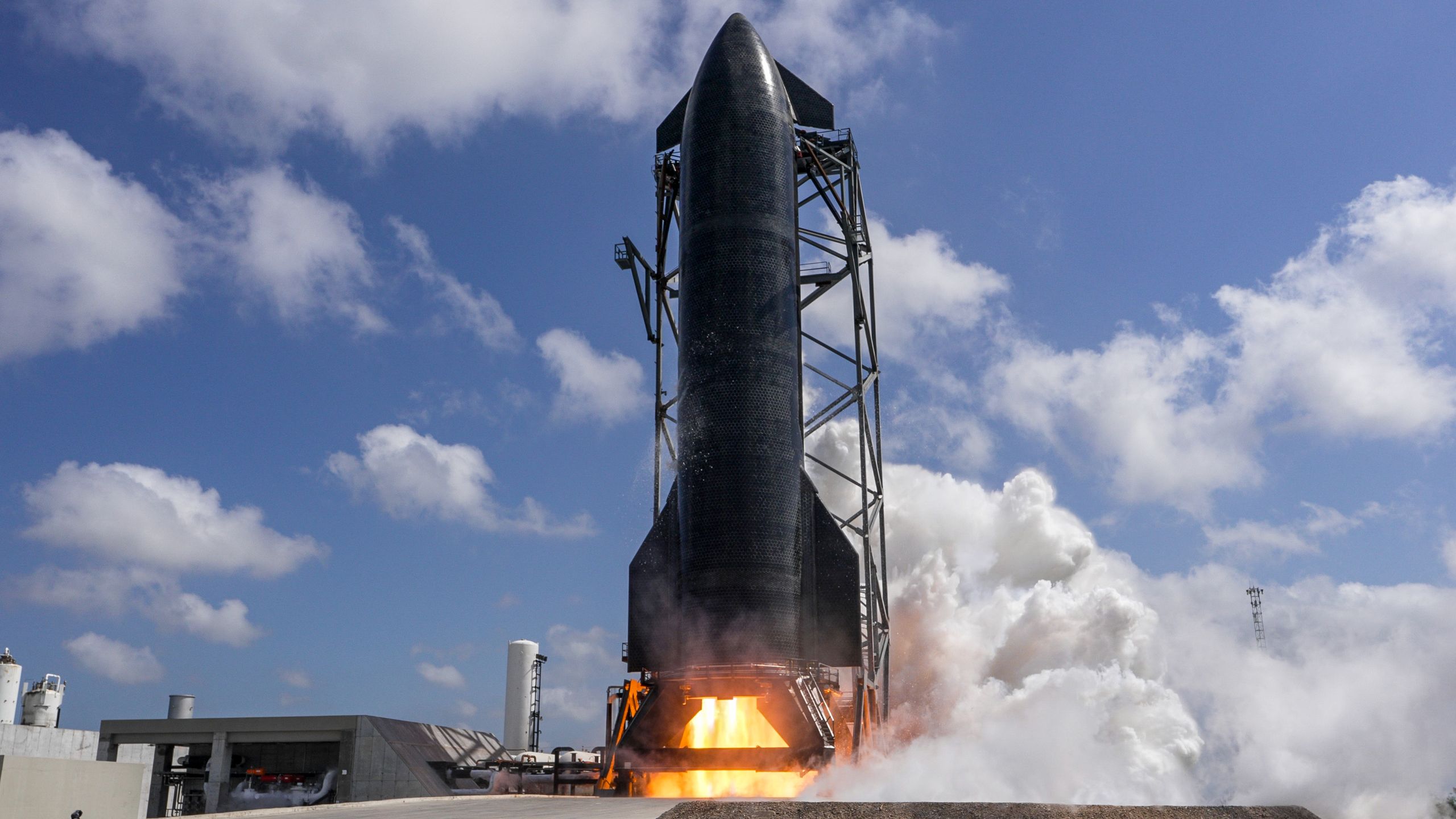
Operating cameras in the harsh environment of space presents several challenges. Glare from sunlight, extreme temperature fluctuations, and vibrations from attitude thrusters can degrade image quality. SpaceX engineers have addressed these issues by employing polarized filters, active thermal regulation, and advanced image stabilization algorithms. The system is designed to work even during orbital night, using onboard illumination from LED panels strategically placed around the vehicle.
Flight 12: Beyond the Inspection
While the self-inspection is the headline event, Flight 12 will also test other critical technologies. The mission profile includes a controlled atmospheric reentry and a precision landing attempt at the company's facility in Boca Chica, Texas. Additionally, the Raptor 3 engines will undergo a prolonged burn in space to validate their restart capability—a requirement for lunar orbital maneuvers. If successful, this flight will pave the way for operational Starship missions carrying cargo to the Gateway station and eventually crew to the Moon via the Artemis program.
Historical Context
Starship development has progressed rapidly since the first high-altitude test in 2020. Early prototypes like SN8 and SN15 demonstrated belly-flop maneuvers and landing skills. The current V1 and V2 vehicles have already performed orbital insertion and controlled reentry, though some have suffered heat shield damage. Each successive iteration brings SpaceX closer to a fully reusable system that can reduce launch costs by orders of magnitude. Flight 12's self-inspection capability is a natural evolution—moving from simply surviving the journey to proactively monitoring health.
Looking Ahead
The success of the self-inspection on Flight 12 will influence the design of future Starship variants and mission profiles. For example, if the system proves reliable, SpaceX may integrate it into the tanker versions used for orbital refueling, allowing those vehicles to inspect their propellant transfer interfaces. Eventually, the same technology could be used on interplanetary missions to detect and repair damage from space debris or dust impacts. With V3, SpaceX is not just building a bigger rocket—it's building a smarter one.
As launch preparations continue at Starbase, the world watches with anticipation. If all goes according to plan, Flight 12 will not only showcase a new megarocket but also demonstrate a capability that could redefine how we maintain and operate spacecraft in the years to come.
Related Articles
- The Ultimate Guide to Optimizing Coffee for Gut Health and Mental Clarity
- Crafting User Research Narratives: A Three-Act Guide to Engaging Stakeholders
- Your Guide to Staying Positive and Influencing Change in Uncertain Times
- 7 Critical Flaws in VECT Ransomware That Turn It Into a Data Wiper
- Achieving Monthly Lunar Landings: A Strategic Guide for NASA
- Massive Cambrian Fossil Discovery Reshapes Understanding of Early Animal Evolution
- 10 Key Insights into China’s Tougher Fossil Fuel Policies
- Stanford and Adobe Unveil AI Video Model That Finally Remembers Beyond Seconds