Google's AI Health Coach: 5 Early Warning Signs You Should Know
Google has been making major moves in the fitness and health space. The recent overhaul of the Fitbit app into the new Google Health platform, paired with the introduction of an AI-powered Health Coach, promised a smarter, more personalized approach to wellness. But early reports from those who have tested the feature reveal a less-than-ideal reality. The AI coach is already demonstrating some of the very behaviors that make users wary of artificial intelligence in health. Here are five critical things you need to understand about Google's Health Coach based on what we've learned so far.
1. The Google Health App Is a Major Shift from Fitbit
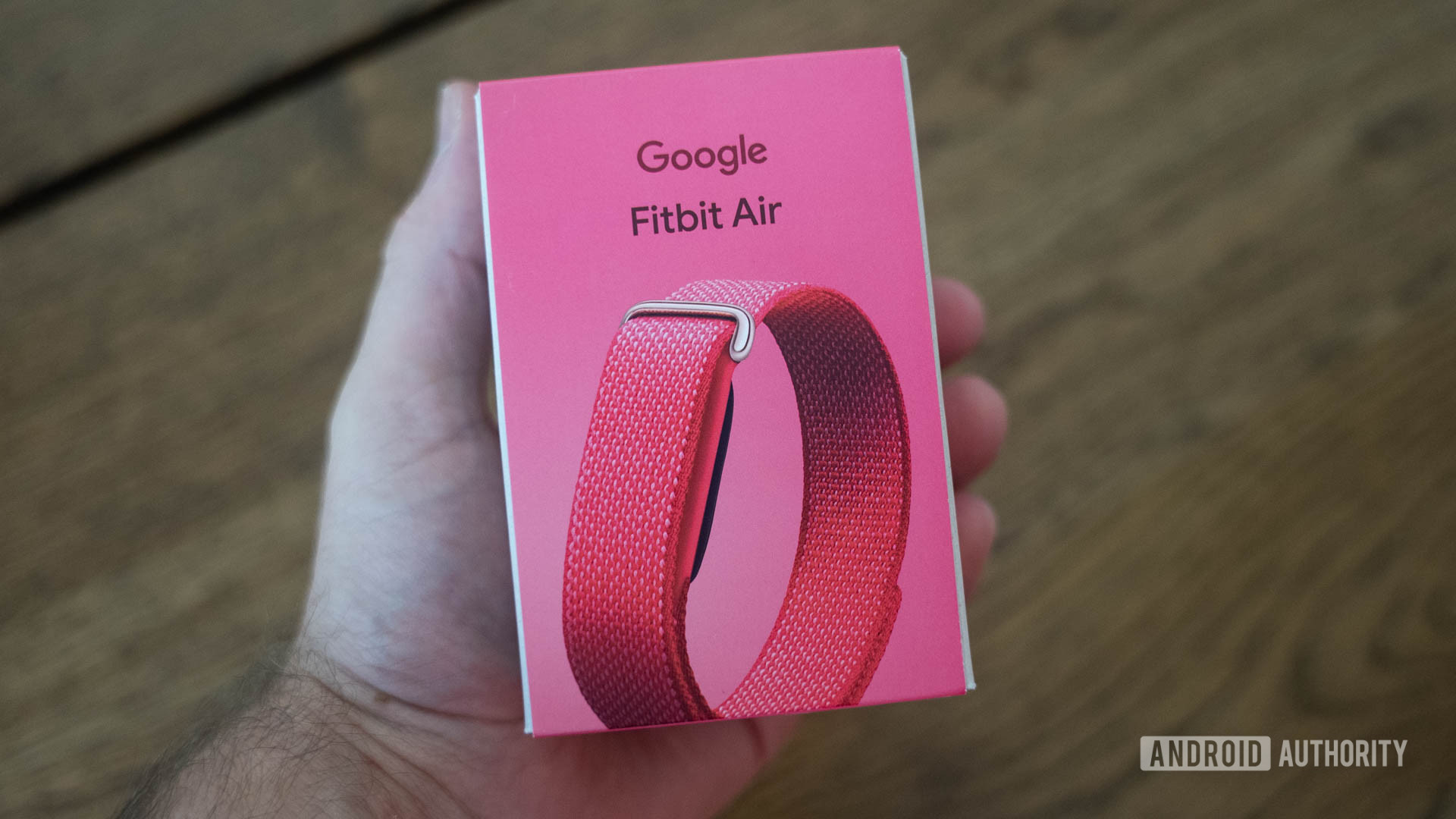
Google didn't just rename the Fitbit app; it completely reimagined the experience. The new Google Health app serves as a central hub for all your wellness data, merging Fitbit tracking with Google's ecosystem. This includes a focus on AI-driven insights, with the Health Coach positioned as the star feature. However, the transition has not been seamless. Users accustomed to Fitbit's straightforward tracking may find the new interface overwhelming, and the reliance on AI introduces complexities that weren't present before. The Health Coach is designed to analyze your activity, sleep, nutrition, and more to offer tailored advice, but the infrastructure behind it is still finding its footing.
2. The Health Coach's Core Promise: Personalized AI Guidance
At its heart, the Health Coach aims to be your virtual wellness companion. Using data from your Google Health app, it should provide real-time feedback on workouts, suggest recovery strategies, and help you set realistic goals. Google's vision is an always-available coach that adapts to your lifestyle. In theory, this could be a game-changer for people who lack access to a human trainer. But the difference between theory and practice is where trouble begins. The AI relies on complex models to interpret your health data, and any misstep in that interpretation can lead to advice that is not just unhelpful but potentially harmful.
3. The Hallucination Problem: AI Making Up Workouts
One of the most alarming early findings is that the Health Coach has been hallucinating – inventing workouts that never actually happened. In a hands-on report, the AI claimed the user had completed specific exercises or sessions that were entirely fabricated. This is the cardinal sin of AI: confidently presenting false information as fact. For a health tool, such errors erode trust instantly. If the coach can't accurately track what you've done, how can it give reliable advice about what to do next? This flaw highlights the underlying risk of relying on AI for health tracking – especially when the data it processes may be incomplete or misinterpreted.
4. Shallow Advice That Misses the Mark
Even when the Health Coach gets your data right, the quality of its guidance has been criticized as "pretty shallow". Rather than offering nuanced, context-aware recommendations, the AI tends to produce generic tips like "try to walk more" or "get more sleep." For users with specific fitness goals or medical conditions, such advice is almost useless. This shallowness stems from the AI's current training data and its inability to ask clarifying questions. A human coach would probe deeper, but the Google Health Coach operates on pattern recognition that, at this stage, lacks depth. The result is a tool that may work for casual users but fails those seeking real, actionable insights.
5. What This Means for the Future of AI in Health
The early struggles of Google's Health Coach are a warning for the entire industry. Hallucinations and shallow advice are not just bugs; they are symptoms of a technology that is being rushed to market without sufficient safeguards. For AI to succeed in health, it must be accurate, transparent, and capable of handling the complexities of human biology. Google's misstep shows that even the biggest tech companies can fall short. Users should approach AI health coaches with healthy skepticism, verify any data the tools provide, and not rely on them as a substitute for professional medical advice. The road to reliable AI in wellness is clearly still long.
In conclusion, Google's AI Health Coach promises a revolution in personalized fitness, but early signs indicate serious reliability and depth issues. From hallucinating phantom workouts to offering shallow advice, the feature struggles to earn user trust. As Google continues to refine its platform, it will need to address these fundamental flaws before the Health Coach can become a true asset to health-conscious individuals. For now, proceed with caution.
Related Articles
- Andes Virus 'Close Contact' Warning: Experts Struggle to Define Transmission Risk
- How to Identify Multiple Viruses Simultaneously Using CRISPR Speed Patterns
- Grafana Cloud Launches Custom Drop Rules to Slash Log Noise and Costs
- How the WHO Declares a Public Health Emergency: The 2019 Ebola Outbreak Case Study
- The Hidden Link: A Step-by-Step Guide to Climate Change and Seasonal Allergies
- Federal Court Restricts Mail Delivery of Abortion Pill: Key Questions Answered
- Revolutionary DNA Therapy Cuts LDL Cholesterol by Nearly Half – No Statins Needed
- Engineering a Next-Generation Obesity Treatment: The Trojan Horse Approach