SpaceX Targets May 19 for First Launch of Upgraded Starship V3 Megarocket
Introduction
SpaceX has officially set May 19 as the target date for the debut flight of its next-generation Starship Version 3 (V3) megarocket. This advanced vehicle represents a significant leap forward in the company's ambitions to establish a permanent human presence on the Moon and eventually Mars. The announcement builds on years of iterative development and testing, with the V3 variant incorporating numerous enhancements over earlier prototypes.
What Is Starship V3?
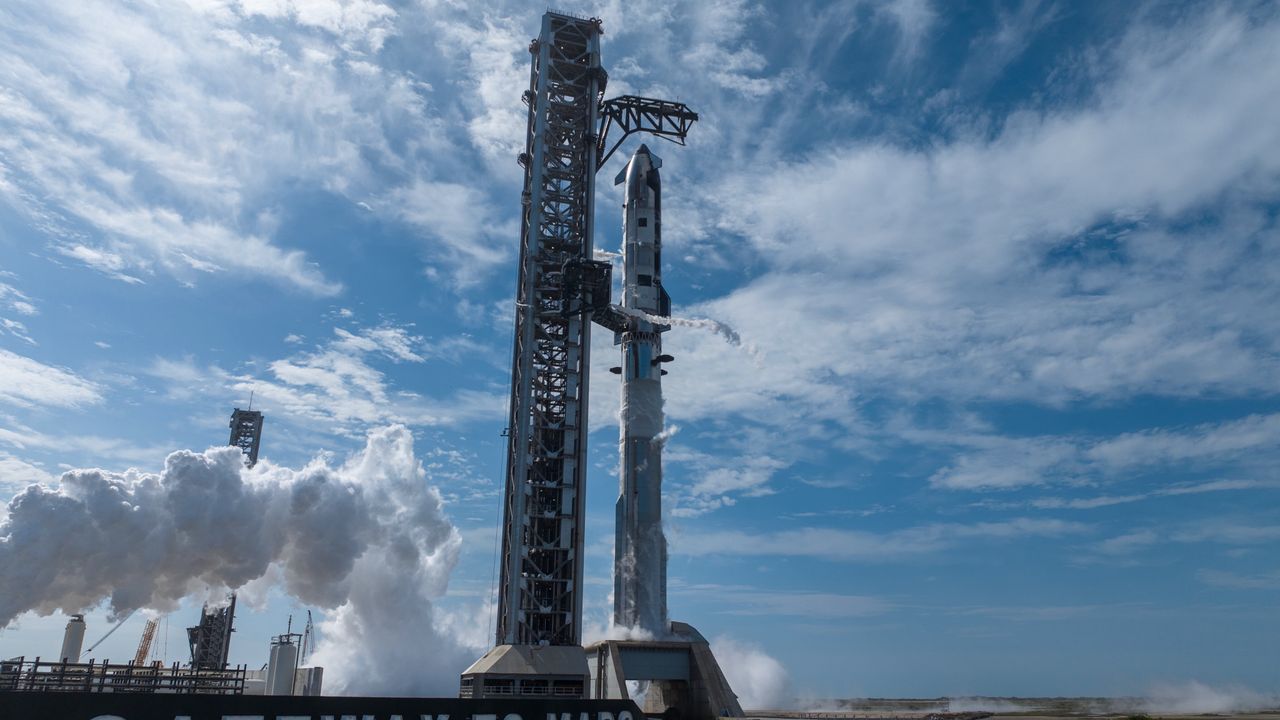
Starship V3 is the latest iteration of SpaceX's fully reusable launch system, designed to be the most powerful rocket ever built. While previous versions (V1 and V2) focused on foundational design and suborbital testing, V3 integrates upgraded engines, increased propellant capacity, and improved thermal protection systems. The vehicle consists of two stages: the Super Heavy booster and the Starship upper stage, both of which are engineered for rapid reusability.
Key Upgrades Over Previous Versions
Compared to its predecessors, Starship V3 features several critical improvements:
- Enhanced Raptor Engines: The V3 uses Raptor 3 engines, which deliver higher thrust and improved efficiency. Each engine produces over 230 tons of thrust, and the Super Heavy booster is equipped with 33 of them in a hexagonal array.
- Increased Payload Capacity: With a payload to low Earth orbit (LEO) estimated at over 150 metric tons, Starship V3 can carry heavier cargo and larger crews than any operational rocket.
- Refined Heat Shield: The new hexagonal heat shield tiles are more durable and better protect the vehicle during atmospheric reentry, a crucial factor for rapid reuse.
- Advanced Avionics: Updated flight computers and software enable more precise landing control and autonomous operations.
Path to the Moon and Mars
Starship V3 is not merely an incremental upgrade; it is a cornerstone of SpaceX's long-term strategy to enable interplanetary travel. The rocket's immense size and reusability are designed to dramatically lower the cost per kilogram of payload, making missions to the Moon and Mars economically feasible.
NASA's Artemis Program and the Human Landing System
NASA has selected a modified version of Starship as the Human Landing System (HLS) for the Artemis program, which aims to return astronauts to the lunar surface by the mid-2020s. The Starship HLS will serve as a lunar lander, capable of transporting crew from lunar orbit to the surface and back. The V3's increased payload capacity and reliable in-space refueling are essential for this role. A successful debut launch on May 19 would bring SpaceX one step closer to demonstrating the vehicle's capabilities for NASA.
Mars Mission Architecture
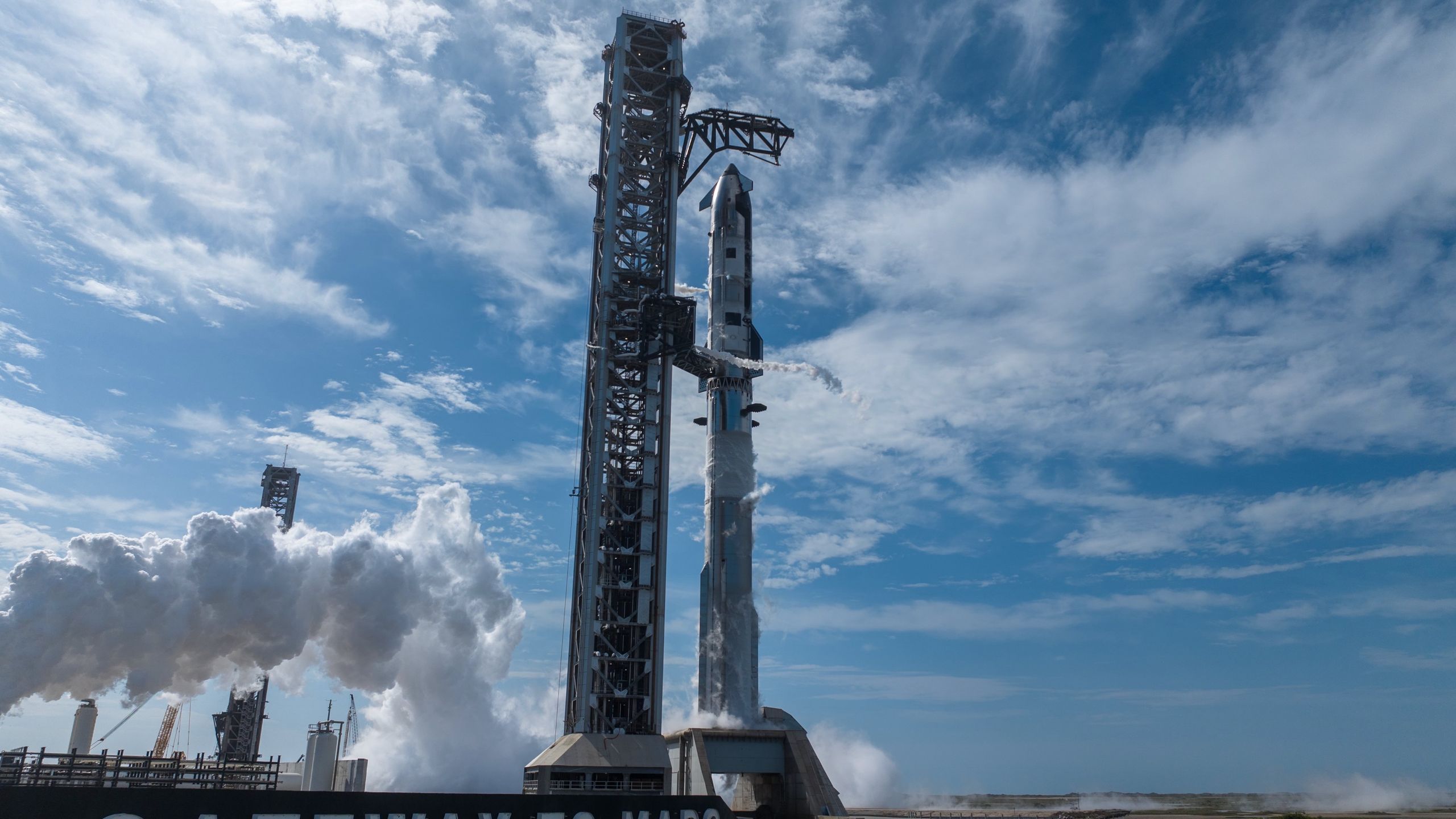
For Mars, SpaceX envisions a fleet of Starships making regular trips during planetary alignment windows. The V3's upgraded engines and larger fuel tanks enable it to carry settlers, supplies, and equipment for establishing a self-sustaining city on the Red Planet. Elon Musk has stated that Starship V3 is the vehicle that will make the first crewed Mars missions possible, possibly as early as the late 2020s.
Launch Timeline and Expectations
The May 19 target is subject to regulatory approvals from the Federal Aviation Administration (FAA) and successful completion of static fire tests. SpaceX is currently conducting final preparations at its Starbase facility in Boca Chica, Texas. The inaugural flight is expected to be an orbital test mission, with the Super Heavy booster attempting a controlled splashdown in the Gulf of Mexico and the Starship upper stage reentering the atmosphere near Hawaii.
Given the complexity of the vehicle, delays are possible. However, the public announcement of a specific date signals confidence within SpaceX that the rocket is nearing flight readiness. Previous Starship test flights (SN8 through SN15) provided valuable data, culminating in a successful landing of the upper stage in May 2021. V3 aims to build on that success with a full orbital profile.
Conclusion
The debut of Starship V3 on May 19 marks a pivotal moment in spaceflight history. If successful, it will validate the design changes that make the rocket more powerful and reliable than any before it. More importantly, it will accelerate the timeline for humanity's expansion beyond Earth orbit. Whether for lunar landings under NASA's Artemis program or for the first settlers on Mars, Starship V3 represents the tangible next step toward a multi-planetary future. All eyes will be on Boca Chica come May 19 as SpaceX attempts to turn that vision into reality.
Related Articles
- Revolutionizing Space Computing: NASA's Next-Generation Processor for Deep Space Missions
- Atlantic Storms Disrupt African Dust Flow to Amazon, Study Warns
- How AI and the Rubin Observatory Will Revolutionize Our Understanding of Dark Energy Through Type 1a Supernovae
- 10 Key Facts About the US Space Force's Golden Dome Space-Based Interceptor Program
- NASA Under Threat: Advocacy Leader Warns of 'Horrible Future' as Budget Cuts Loom
- How to Decode Elon Musk's Corporate Financial Network from Tesla's SEC Filing
- Cloud Patterns Signal the End of Winter in Alaska
- Cameroon's Remote Villages Get Electricity Boost: IEEE Smart Village and REI Cameroon Pioneer Open-Source Minigrids