5 Reasons Scientists Think Venus Is Volcanically Active (and How a 2022 Eruption Helps Confirm It)
Venus, often called Earth's twin, has long puzzled scientists with its thick, toxic atmosphere and scorching surface. While it shares similar size and composition with our planet, its volcanic activity has remained a mystery. Now, mounting evidence suggests Venus is still erupting today—and a massive eruption in Hawaii in 2022 may provide the key to proving it. Here are five crucial clues that point to an active Venus, and how studying Earth's own volcanoes helps unlock the secrets of our planetary neighbor.
1. Radar Images Show Fresh Lava Flows
The Magellan spacecraft mapped Venus’s surface in the early 1990s using radar, revealing thousands of volcanic features. By comparing images taken years apart, scientists spotted changes in surface reflectivity that suggest new lava flows. These flows appear remarkably fresh—geologically speaking—indicating they may be only decades old. Without active volcanism to resurface the planet, such features would erode or be buried by impact craters over millions of years. The radar data gives us our strongest hint that Venus’s interior is still churning.
2. Atmospheric Sulfur Dioxide Levels Fluctuate
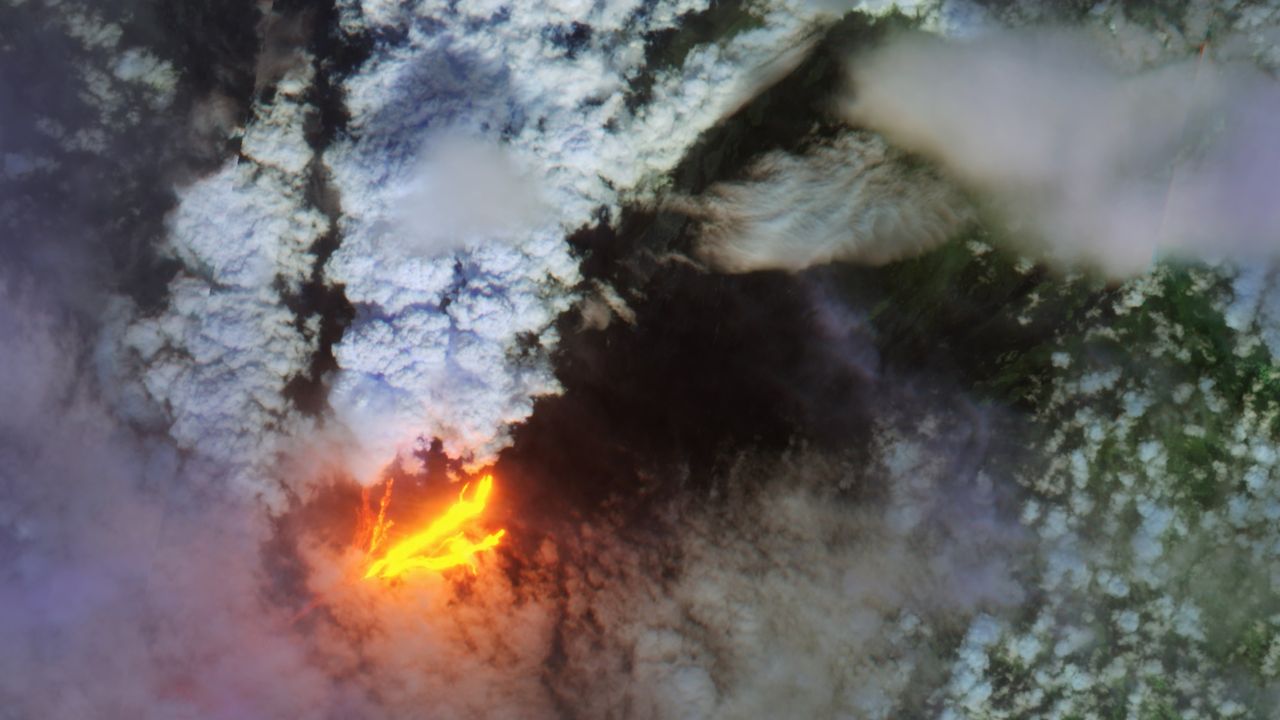
Volcanoes release large amounts of sulfur dioxide gas into the atmosphere. On Venus, telescopes and spacecraft have observed dramatic variations in SO₂ levels over short timescales—sometimes dropping by a factor of ten in a few years. Such rapid changes are hard to explain without ongoing volcanic eruptions that inject new gas high into the atmosphere. The 2022 Mauna Loa eruption on Earth provides a real-time laboratory for tracking how volcanic plumes evolve, helping scientists model similar processes on Venus.
3. Hotspots and Surface Temperature Anomalies
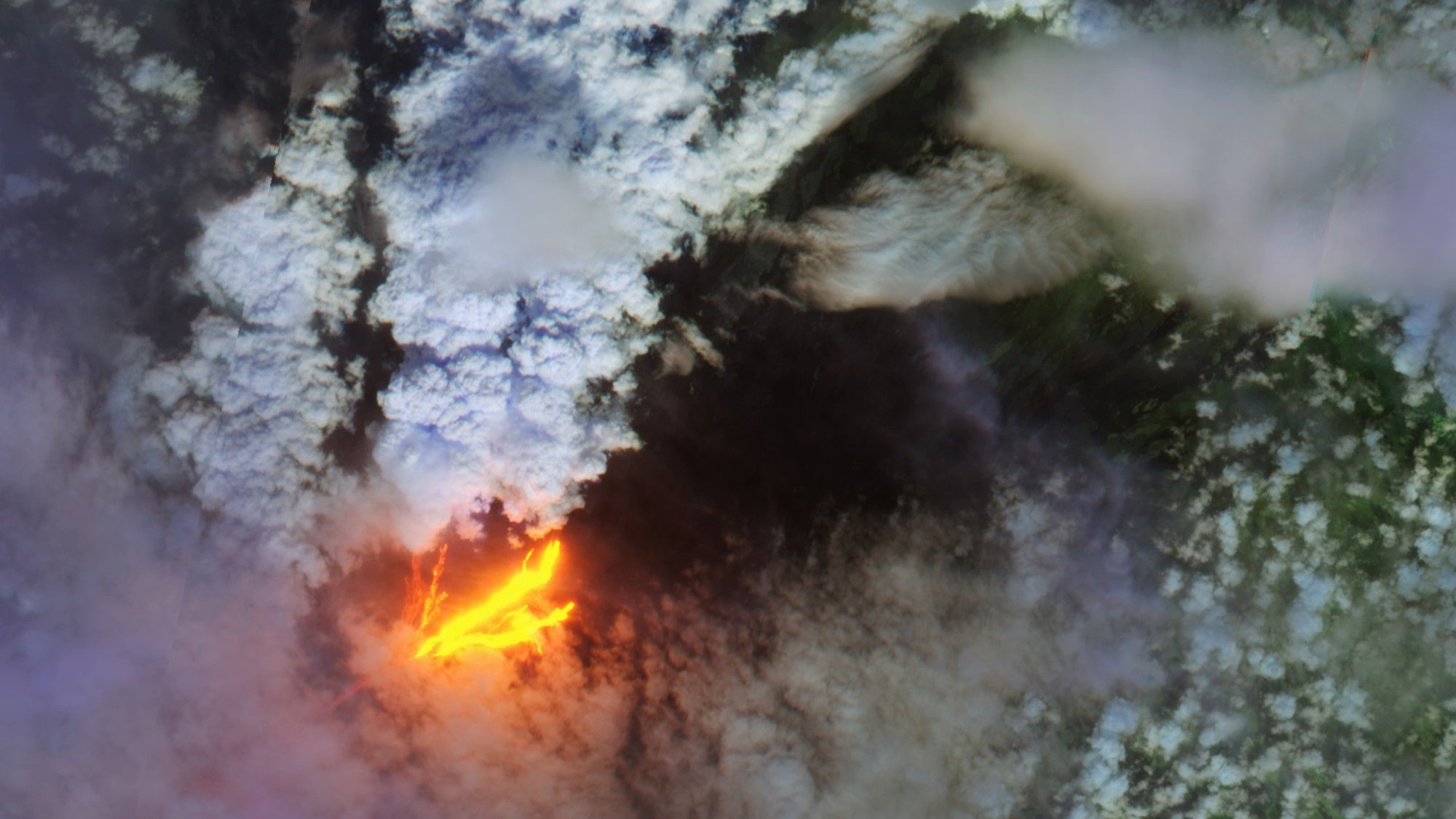
Infrared observations from the European Space Agency’s Venus Express orbiter detected patches of higher-than-expected temperature in volcanic rift zones. These “hotspots” are believed to be active or recently active vents, where magma has not yet fully cooled. The pattern matches what we see at Earth’s hotspot volcanoes, like those in Hawaii. By comparing the thermal signature of Mauna Loa’s 2022 eruption, scientists can calibrate models to estimate the volume and age of lava flows on Venus.
4. Gravitational Data Hints at Magma Movement
The NASA Magellan mission also measured slight variations in Venus’s gravity field. These anomalies are caused by differences in density underground—likely including large bodies of molten rock. Recent re-analysis of the 30-year-old data suggests that some gravity signals have changed over time, consistent with magma moving beneath the surface. This is similar to how gravity signals shifted during the 2022 eruption of Mauna Loa, where descending magma chambers altered the local gravitational pull.
5. Future Missions Will Use Lessons from Hawaii
NASA’s VERITAS orbiter and the European EnVision mission, both planned for the 2030s, will carry advanced radar and spectrometers to map Venus in unprecedented detail. Data from the 2022 Hawaiian eruption is already being used to refine algorithms that detect active lava flows from orbit. By understanding how a known terrestrial eruption appears in various wavelengths, scientists can program automated searches for Venusian eruptions. The result: we may finally catch Venus in the act.
In conclusion, the evidence that Venus is volcanically active is compelling, from fresh lava flows and fluctuating sulfur dioxide to thermal hotpots and shifting gravity. The huge eruption in Hawaii in 2022 serves as a critical reference point, teaching us what to look for and how to interpret remote sensing data. With upcoming missions, we may soon confirm that Venus is not just a dead world, but a dynamic planet still shaped by erupting volcanoes.
Related Articles
- Decoding the Australian Budget: Why Fossil Fuel Tax Reform Remains a Missed Opportunity for Climate Resilience
- Iron as a Green Alternative: Revolutionizing Catalysis without Noble Metals
- How Himalayan Storms Pump Moisture into the Stratosphere: A Step-by-Step Process
- Q&A: Ana Inês Inácio – Engineering RF Signals and Global Communities
- Behind the Proxy: What the Gentlemen RaaS and SystemBC Reveal About Modern Ransomware Attacks
- Space Launch Update: Starship Tests, Moon Landings, and the Golden Dome Initiative
- GRASP: Efficient Gradient-Based Planning for Long-Horizon World Models - FAQ
- 7 Key Revelations from the Dramatic Flickering of a Seyfert Galaxy