Meta Unveils AI Agent Platform That Recovers Hundreds of Megawatts in Hyperscale Efficiency Push
AI Agents Now Autonomous: Meta's Hyperscale Efficiency Breakthrough
Meta has deployed a unified AI agent platform that autonomously detects and resolves performance issues across its massive infrastructure, recovering hundreds of megawatts of power — enough to supply roughly 100,000 U.S. homes for a year.

The company revealed that these digital assistants compress what used to be 10 hours of manual investigation into just 30 minutes, with some fully automating the path from opportunity to ready-to-review pull request.
“This platform is now the backbone of our Capacity Efficiency Program. It lets us scale power delivery without proportionally growing the engineering team.” – Alex Chen, head of capacity efficiency at Meta
The system, built on standardized tool interfaces, encodes decades of domain expertise from senior efficiency engineers into reusable, composable skills.
How the AI Agents Operate
Meta’s capacity strategy splits into two fronts: offense (proactive optimization) and defense (regression detection). AI now accelerates both.
- Defense: Meta’s in-house tool, FBDetect, flags thousands of regressions each week. AI agents then automatically diagnose root causes and recommend fixes, eliminating wasted megawatts that would compound across the fleet.
- Offense: AI-assisted opportunity resolution has expanded to more product areas every half-year, handling wins that engineers would never have time to tackle manually.
The ultimate vision: a self-sustaining efficiency engine where AI manages the long tail of improvements, freeing human engineers to innovate on new products.
Background: The Scale Challenge
When code serves over 3 billion people, even a 0.1% performance regression translates into massive energy waste. Meta’s Capacity Efficiency organization has traditionally relied on manual investigation and human decision-making.
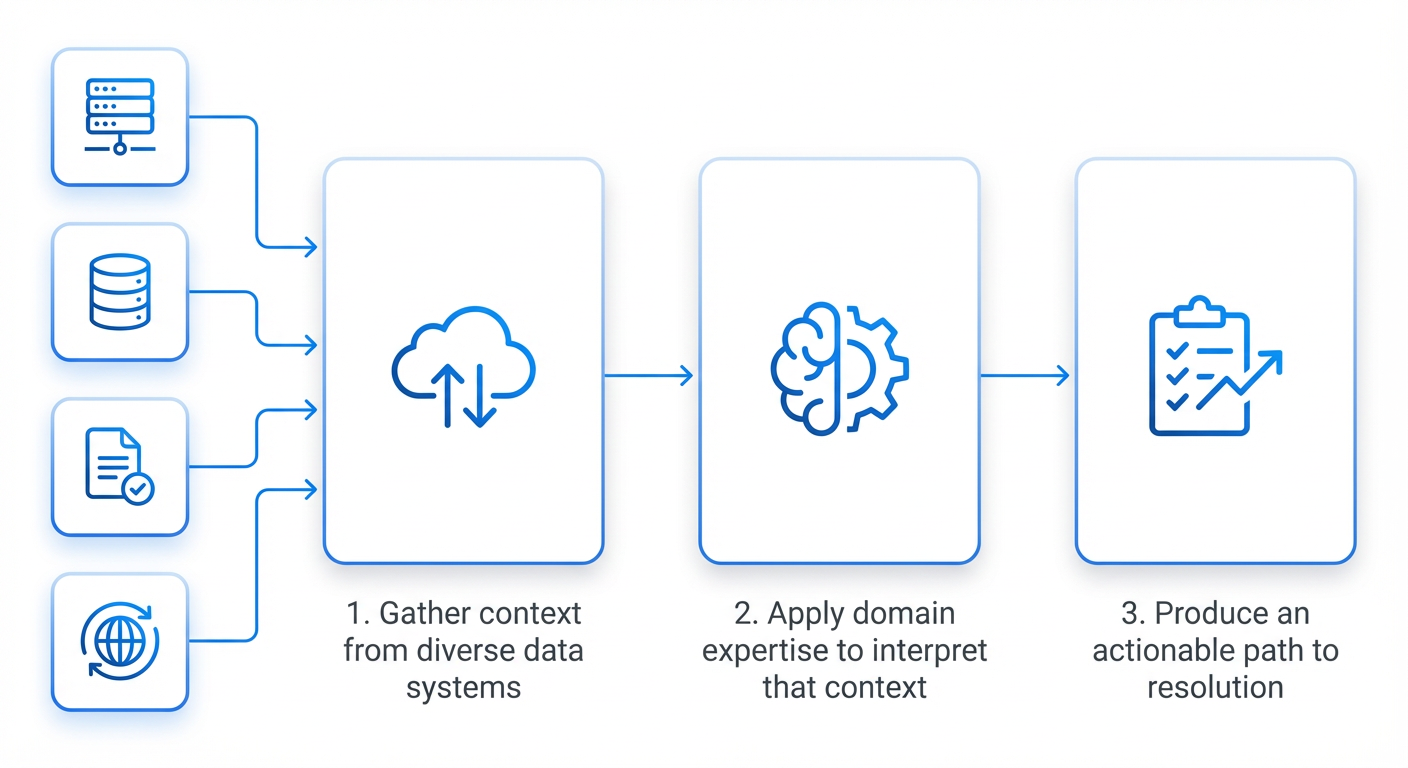
“These manual processes created a bottleneck — we could surface issues, but resolving them consumed endless engineering hours,” said a Meta engineer familiar with the program. The AI platform was built to break that logjam.
What This Means for Meta and the Industry
Automated capacity efficiency allows Meta to keep pace with hypergrowth without linearly expanding its efficiency team. The hundreds of megawatts recovered represent a non-trivial slice of global data-center energy consumption.
“What we’ve built is a template for hyperscale efficiency,” Chen added. “If transferred to other large operators, the combined power savings could rival the output of a medium-sized nuclear plant.”
The architecture also promises to speed up innovation cycles: engineers redirected from firefighting can focus on delivering new AI features, content algorithms, and user experiences.
FBDetect – The Regression Radar
FBDetect scans production metrics for any dip in performance, then traces the regression to a specific pull request. Without AI, each case required a senior engineer to manually review, often taking an entire workday.
Now, AI agents handle the initial triage, slashing investigation time by 95% and enabling rapid mitigation before energy waste accumulates.
Related Articles
- LWN.net Weekly Highlights: April 30, 2026 – Open-Source Innovations and Community Updates
- How to Align GNOME Bug Reporting in Fedora with FESCo Policy
- How to Join the Fedora Linux 44 Global Virtual Release Party: A Step-by-Step Guide
- Introducing Sealed Bootable Container Images for Fedora Atomic Desktops: Your Guide to Verified Boot Chains
- Fedora 44 Atomic Desktops: Your Key Questions Answered
- Meta's KernelEvolve: Autonomous Kernel Optimization for Scalable AI Infrastructure
- Upgrading and Exploring Fedora Workstation 44: A Step-by-Step Guide
- How to Stay Updated with LWN.net's Weekly Edition: A Step-by-Step Guide