Harnessing Ocean Waves: The Future of AI Data Centers at Sea
Imagine a data center that floats on the ocean, powered entirely by the rhythmic motion of waves. That's the vision behind Panthalassa, a startup that recently secured $140 million in funding. Co-founded by Palantir’s Peter Thiel, the company aims to deploy offshore compute nodes that generate their own electricity using wave energy, bypassing the massive grid demands and cooling issues that plague traditional data centers. This innovative approach could radically reshape how we power the AI revolution. Below, we dive into the key questions about this ambitious venture.
What Exactly Is Panthalassa and What Makes It Unique?
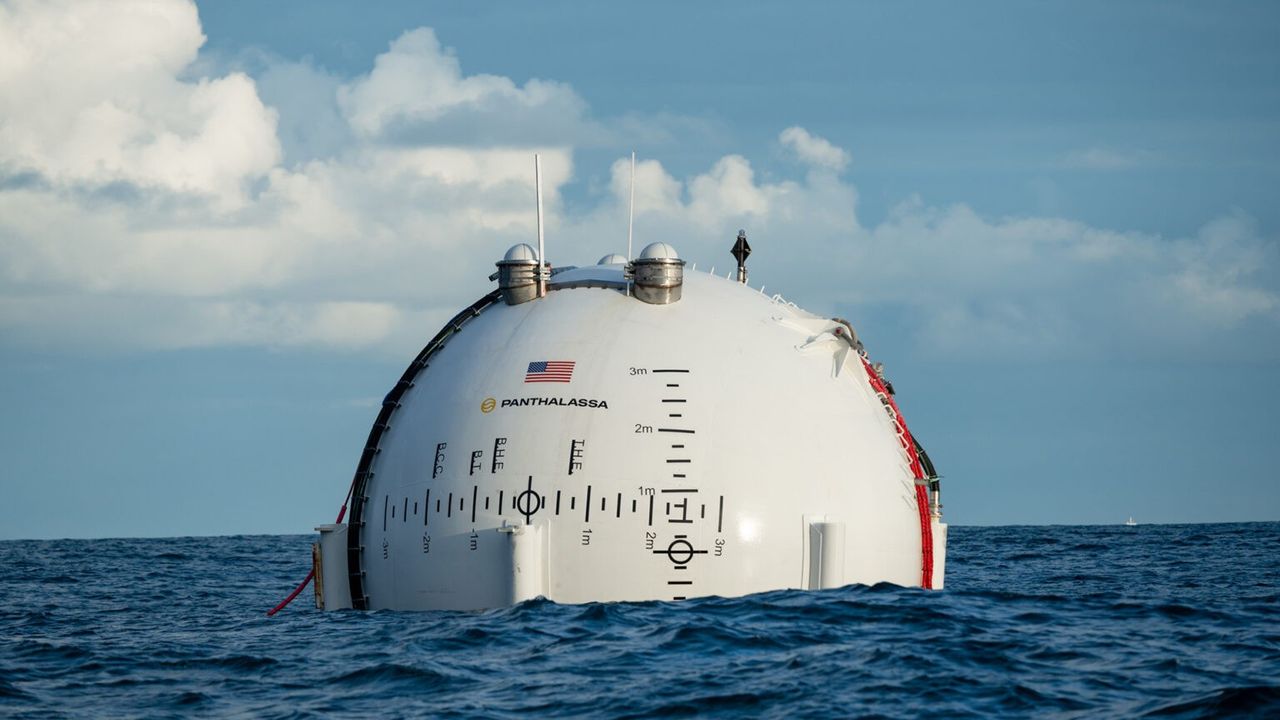
Panthalassa is a startup developing wave-powered data centers designed to operate entirely at sea. Unlike conventional land-based facilities that rely on grid electricity and water-intensive cooling, Panthalassa's offshore nodes capture energy from ocean waves to run AI workloads. Each node is a self-contained unit that generates its own electricity, eliminating the need for external power sources and reducing carbon footprints. This concept addresses two critical pain points in the data center industry: skyrocketing energy consumption and the challenge of keeping hardware cool. By placing compute hubs in the ocean, the startup leverages natural seawater for cooling and renewable wave energy for power, creating a closed-loop, sustainable infrastructure for next-generation AI processing.
How Does the Wave-Powered Technology Work?
The core technology involves floating platforms equipped with wave energy converters—devices that convert the kinetic energy of waves into electricity. These platforms house standard AI compute nodes (servers and networking gear) that run machine learning tasks. As waves rise and fall, they drive generators that produce AC or DC power, which is then conditioned and fed directly into the onboard servers. Any excess energy can be stored in batteries or used to produce green hydrogen for backup. The ocean water itself acts as an efficient heat sink, flowing through cooling systems that keep processors at optimal temperatures without the need for water-intensive evaporative cooling towers. This integrated design means Panthalassa's nodes can operate 24/7 with minimal human intervention, communicating with shore via submarine cables or satellite links.
Why Is Peter Thiel Backing This Startup?
Peter Thiel, a prominent tech investor and co-founder of Palantir, has long been interested in unconventional energy and infrastructure solutions. His backing of Panthalassa stems from the belief that AI growth will be constrained by traditional energy sources. Thiel has publicly stated that the compute demands of advanced AI models are outpacing grid capacity. By investing in wave-powered offshore data centers, he sees a path to decouple AI expansion from fossil fuels and overburdened electrical grids. Additionally, Thiel's history with disruptive technologies—from PayPal to Palantir—makes him naturally drawn to moonshot projects that challenge established norms. His involvement signals confidence in both the technical viability and market potential of harnessing ocean energy for cloud computing.
How Does This Compare to Other Data Center Cooling and Power Innovations?
Most data center innovations focus on improving land-based efficiency—such as liquid cooling, immersion cooling, or colocation near renewable sources like hydro and solar. Panthalassa takes a fundamentally different approach by moving the entire facility to the ocean. Unlike geothermal or offshore wind farms, wave energy is more predictable and consistent in many coastal regions. Compared to solar, wave power can generate electricity at night and in cloudy weather. And while immersion cooling uses dielectric fluids, Panthalassa uses raw seawater, which is abundant and free. The startup also avoids real estate costs and permitting battles associated with data center campuses. However, it faces unique challenges like saltwater corrosion, maintenance in harsh marine environments, and the need to protect equipment from storms and marine life.
What Are the Main Challenges Panthalassa Must Overcome?
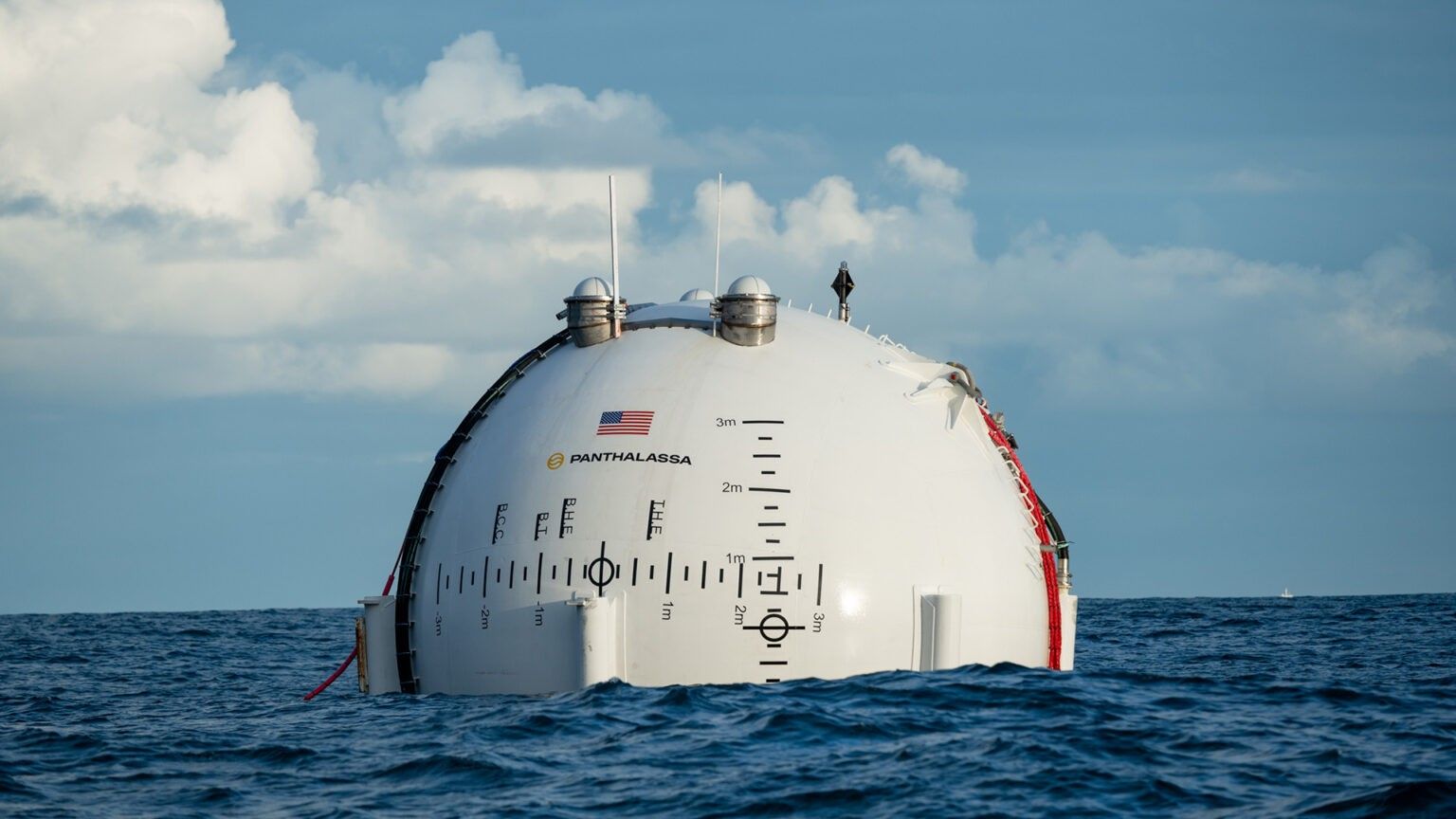
Operating data centers at sea introduces several significant hurdles. Corrosion is the most obvious—saltwater and salt spray can quickly damage electronics and structural materials if not properly sealed and coated. The company must also ensure reliable, high-bandwidth connectivity back to shore, likely requiring redundant submarine cables. Extreme weather, such as hurricanes or rogue waves, could damage or destroy floating platforms, so robust anchoring and hull designs are critical. Additionally, wave energy converters are still being refined; they must be durable enough to last for years without frequent service calls. Finally, regulatory and environmental approvals are complex—these nodes may impact marine ecosystems, shipping lanes, and fishing zones. Panthalassa's $140 million funding will support R&D to address these issues, but real-world deployment will test their solutions.
What Environmental Benefits Could This Bring?
If successful, Panthalassa could dramatically reduce the carbon footprint of AI computing. Traditional data centers consume huge amounts of grid electricity, often from fossil fuels, and use millions of gallons of fresh water for cooling. By tapping wave power, these offshore nodes produce zero operational emissions. Seawater cooling eliminates freshwater consumption entirely. Moreover, the platforms could double as artificial reefs, potentially enhancing marine biodiversity in some areas. The company also plans to manufacture the nodes using recycled materials where possible. However, careful site selection is needed to avoid fragile habitats. Overall, this concept aligns with the growing push for sustainable AI infrastructure, where compute growth must not come at the expense of the environment.
What’s the Roadmap and When Could We See These in Operation?
With the $140 million funding round led by Peter Thiel and other investors, Panthalassa plans to build and test a small-scale prototype node within two years. The initial location is likely off the coast of Scotland or Portugal, where wave energy is abundant and government incentives exist for marine renewables. If the prototype proves reliable, the company aims to deploy a cluster of 10–50 nodes capable of 100 megawatts of compute power by 2028. These nodes would serve clients needing high-throughput AI training and inference, such as autonomous vehicle companies, pharmaceutical researchers, or big tech firms. Panthalassa also envisions offering "carbon-negative compute credits" to firms seeking to offset their AI emissions. Scaling to hundreds of nodes would require additional capital, but the company believes operational savings from free energy and cooling will eventually make wave-powered data centers cost-competitive with land-based alternatives.
Related Articles
- Elon Musk's Testimony Intensifies: Heated Exchange Over OpenAI's For-Profit Shift
- From Waste to Wonder: A Complete Guide to 3D Printing With Recycled Glass Using Binder Jetting
- Sigma Computing's $80M Series E: A New Era of Agentic Analytics
- Cerebras Targets $26.6 Billion Valuation in Renewed US IPO Push to Raise $3.5 Billion
- How to Evaluate Security Vulnerability Reports: A Case Study with curl and Mythos
- Hugging Face Launches App Store for Open-Source Robot, Making Robotics as Easy as Downloading a Smartphone App
- Why I Ditched My Android Phone for an iPod to Listen to Music
- The End of AI Scaffolding: How LlamaIndex's CEO Sees Context Taking Over