From Volunteer to Co-Author: How NASA Citizen Scientists Contribute to Peer-Reviewed Research
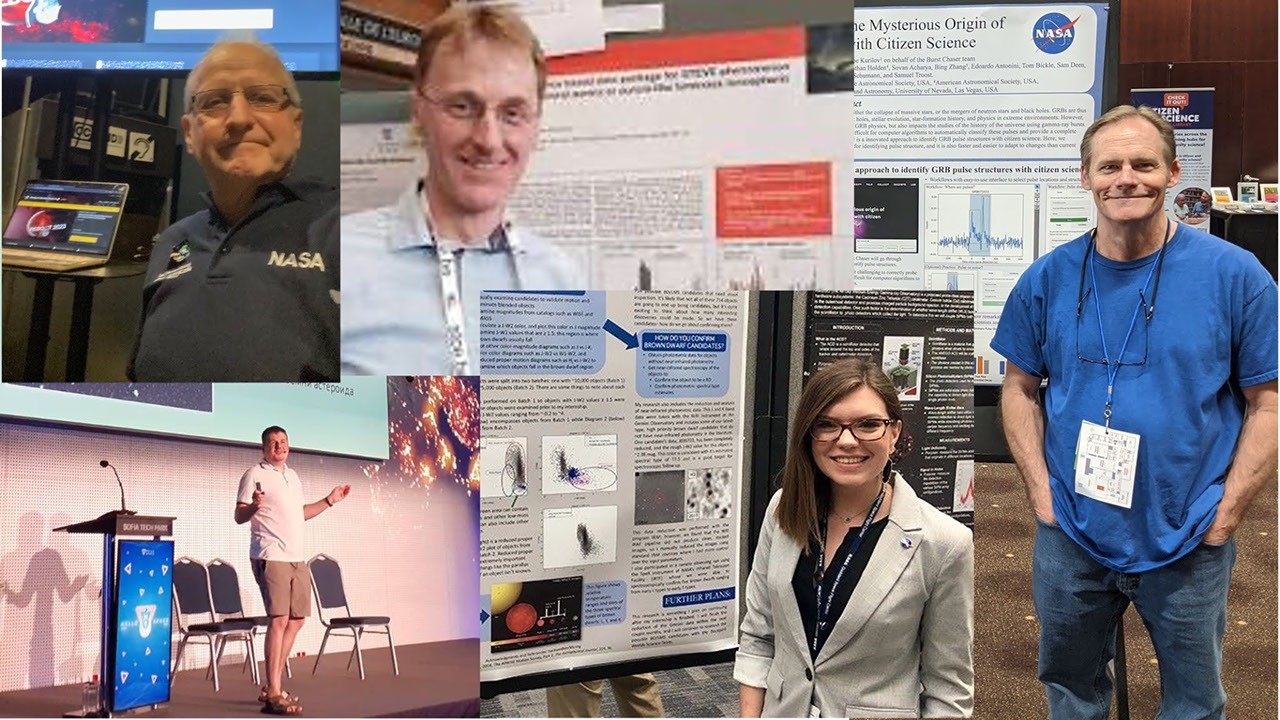
In a remarkable milestone, NASA's citizen science initiative has confirmed that more than 650 volunteers have earned co-authorship on peer-reviewed scientific papers. These dedicated individuals have contributed everything from spotting distant cosmic objects to monitoring Earth's atmosphere and tracking mosquito habitats. Their work has become part of the permanent scientific record, influencing generations of researchers. If you've ever wondered how everyday people can help advance science and even become published authors, read on. Below, we answer common questions about this exciting opportunity and show you how to get involved.
What is NASA citizen science and how many volunteers have co-authored papers?
NASA citizen science involves volunteers from the public who actively participate in real scientific research. These projects range from analyzing telescope data to observing auroras from backyards. As of the latest count, more than 650 citizen scientists have been named as co-authors on peer-reviewed research papers. This means their contributions—such as discovering new comets, gamma-ray bursts, or brown dwarfs—have been formally recognized and published in scientific journals. These volunteers come from all walks of life and any skill level, proving that passion and dedication can lead to lasting contributions to human knowledge.
Why are peer-reviewed research papers important?
Peer-reviewed papers are the gold standard for documenting scientific discoveries. After a research team submits a manuscript, journal editors send it to other experts who verify the methods, results, and significance. This process ensures accuracy and credibility. Once published, the paper becomes part of the global scientific record, allowing other researchers to read, critique, and build upon it. For scientists—whether professional or citizen—having a peer-reviewed publication is a major career milestone. It demonstrates that your work has been validated by the community and contributes meaningfully to the field. For many citizen scientists, their first co-authored paper is a proud achievement worth celebrating.
What kinds of contributions have citizen scientists made to earn co-authorship?
Citizen scientists have made incredibly diverse contributions. In astronomy, volunteers have spotted comets, gamma-ray bursts, and brown dwarfs in data from space telescopes like WISE or Kepler. Others have observed auroras, sprites, and noctilucent clouds from Earth's surface. Some use backyard telescopes to gather data on exoplanets, while others report mosquito breeding habitats via cell phone apps. Ham radio operators study the ionosphere by transmitting and receiving signals. Each of these activities generates data that professional scientists then analyze and write up. When a volunteer's work is essential to the research, they are invited to become a co-author, cementing their role in the discovery.
How can I get started as a NASA citizen scientist?
Getting started is easy. First, visit NASA's citizen science portal to browse active projects. Look for one that matches your interests—whether astronomy, Earth science, or biology. As volunteer Michael Primm advises, “pick one or more that appeal to you, and try them out for size. If you don’t like them, try other ones.” Once you choose a project, participate frequently to become familiar with the tasks and data. Read all available materials, including FAQs and blog posts, to understand the science. The more comfortable you become, the more likely you are to notice unusual patterns—the kind that lead to breakthroughs and eventual co-authorship.
What steps can I take to increase my chances of co-authoring a paper?
While some volunteers are notified that their contributions appear in a paper, you can be proactive. After you have experience with a project, engage with the science team. Ask questions in forums, share your observations, and demonstrate reliability. Many co-authorships come from volunteers who consistently produce high-quality data or who spot anomalies that lead new discoveries. Read project updates and volunteer to help with special campaigns. Also, consider projects where volunteers are integral to data collection, such as those requiring manual classification or real-time observations. Building a reputation as a dedicated and insightful participant makes you a valuable collaborator.
Can you share a success story of a citizen scientist co-author?
While specific names vary, many success stories exist. For instance, a volunteer using the Disk Detective project identified a new debris disk around a nearby star—their careful analysis led to a paper where they were listed as co-author. Another example: amateur astronomers monitoring variable stars through the AAVSO have contributed to dozens of peer-reviewed studies. Because these volunteers often notice changes that automated systems miss, their contributions are critical. In every case, the volunteer's name appears alongside professional astronomers in the author list, giving them a permanent place in the scientific literature. Such stories inspire others to join and see their own names in print.
Related Articles
- How Plants Evolved into 'Hopeful Monsters' During Earth's Worst Crises
- How Scientists Restored Memory by Targeting a Single Alzheimer's Protein: A Step-by-Step Research Guide
- The Brain’s Hidden ‘Off Switch’ for Scratching: How a Single Molecule Knows When to Stop
- How to Forecast and Reduce the Threat of Rodent-Borne Arenaviruses Under Climate Change
- 10 Key Facts About the Artemis III Moon Rocket's Core Stage Journey
- Amazon WorkSpaces Grants AI Agents Secure Desktop Access, Bypassing Legacy App Modernization
- Three Unsettling AI Challenges: Deepfakes, Privacy Leaks, and Electric Truck Hype
- Mastering Digital Clearance Delivery: A Comprehensive Guide for Air Traffic Professionals