Honda's EV Retreat: Unpacking the $11 Billion Canada Factory Shutdown and What It Means
Honda's decision to shelve its massive C$15 billion ($11 billion) electric vehicle and battery manufacturing hub in Ontario, Canada, marks a significant escalation in the company's retreat from electrification. Initially framed as a temporary pause, this move now appears indefinite. To understand the full scope, we explore the key questions surrounding this development.
1. What exactly has Honda shelved in Canada?
Honda has put on indefinite hold its planned EV and battery manufacturing complex in Ontario, Canada. The project, valued at C$15 billion ($11 billion), was intended to be a central hub for producing electric vehicles and batteries for the North American market. According to a report from Nikkei, the decision transforms what was earlier described as a temporary pause into what now looks like an open-ended suspension. The factory was expected to create thousands of jobs and bolster Canada's position in the global EV supply chain. However, as demand for electric vehicles softens and Honda recalibrates its strategy, the site remains undeveloped, with no timeline for resumption.
2. Why is Honda pulling back from this massive investment?
The shelving of the Ontario plant is driven by several factors. A global slowdown in EV adoption, coupled with rising production costs and supply chain uncertainties, has made large-scale investments riskier. Honda also faces intense competition from established EV makers like Tesla and Chinese manufacturers like BYD. Additionally, the company has been grappling with a significant $15.7 billion writedown related to its previous electrification efforts. This financial pressure, along with weaker-than-expected consumer demand for electric cars, has forced Honda to reassess capital allocation. The move aligns with a broader industry trend where traditional automakers are tempering their EV ambitions and focusing on hybrids and internal combustion models for now.
3. How does this fit into Honda's broader EV strategy?
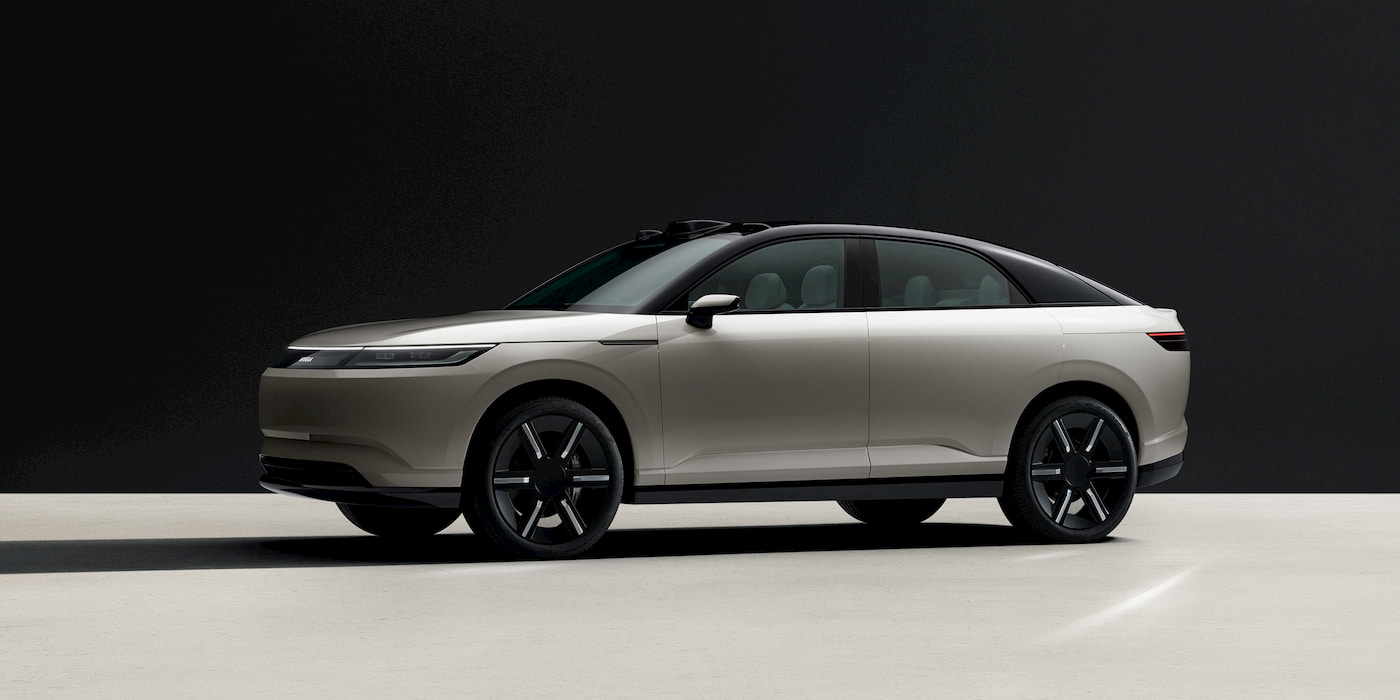
This decision is part of a rapidly accelerating withdrawal from full electrification. Honda has already canceled three key EV models earmarked for the US market, signaling a retreat from its earlier pledge to go all-electric. The company has also ended its much-hyped partnership with Sony for the Afeela electric sedan brand. These steps indicate a pivot away from ambitious EV targets toward a more conservative approach that emphasizes hybrids and fuel-efficient gasoline engines. While Honda still plans to launch some EVs, the scale and speed have been drastically reduced. The Ontario factory suspension is the most tangible evidence of this strategic shift, as the company prioritizes financial stability over aggressive expansion.
4. What other major EV projects has Honda abandoned or scaled back?
Beyond the Canada factory, Honda has taken several other actions that underscore its retreat. The company recorded a massive $15.7 billion writedown, mainly tied to its EV investments. It also canceled three key EV models for the US market—cars that were expected to compete directly with the Chevy Bolt and Tesla Model 3. Another notable casualty is the Sony Afeela partnership, which was set to produce a high-tech electric sedan. That collaboration has been terminated, removing a flagship vehicle from Honda's future lineup. These cancellations, along with the Ontario freeze, represent a dramatic scaling back of the all-electric vision Honda promoted just two years ago.

5. What does the end of the Sony Afeela partnership mean?
The Sony Afeela project was a joint venture between Honda and Sony, aiming to combine Honda's manufacturing expertise with Sony's technology and entertainment prowess. The plan was to launch an electric sedan under the Afeela brand by 2025, targeting luxury tech-savvy buyers. However, the partnership has been dissolved, citing strategic differences and shifting market conditions. This cancellation is significant because Afeela represented a bold bet on a new mobility brand. Its demise not only removes a potential hit vehicle but also signals that Honda is unwilling to pursue niche or high-risk EV projects while it navigates financial headwinds. The move likely saves billions in development costs but also leaves a gap in Honda's lineup for a premium electric offering.
6. Could Honda revive the Ontario plant or other EV projects in the future?
While the current suspension is described as indefinite, Honda has not officially canceled the Ontario project. The company could resume construction if market conditions improve—such as a stronger EV demand surge, more favorable battery supply chains, or government incentives. However, for now, all signals point to a prolonged hiatus. Honda's CEO has emphasized a flexible approach, indicating the company will adapt to market realities. If electric vehicle adoption accelerates faster than expected, Honda might reprioritize. But given the magnitude of recent cutbacks, a revival seems unlikely in the near term. Analysts suggest that any return to large-scale EV investments would require a fundamental shift in both consumer demand and Honda's financial position.
Related Articles
- Green Deals Q&A: Ride1Up E-Bike, Anker SOLIX, Jackery, and More Mid-Week Savings
- How to Identify and Acquire Shovel-Ready Battery Storage Projects: A Developer's Guide
- Sardinia's Renewable Energy Revolt: 210,000 Signatures Trigger Emergency Moratorium
- Next-Gen Autonomy: Experiencing XPENG P7 Ultra with VLA 2.0
- Rivian's Autonomous Driving Ambitions: The Lidar Manufacturing Move
- Revitalize Your Winter: Combat Energy Inefficiency with Solar and Smart Bill Management
- Google Overhauls Flutter and Dart Websites with Unified Jaspr Framework
- How Coal Pollution Undermines Solar Energy: A Data-Driven Investigation